













What’s solar energy?
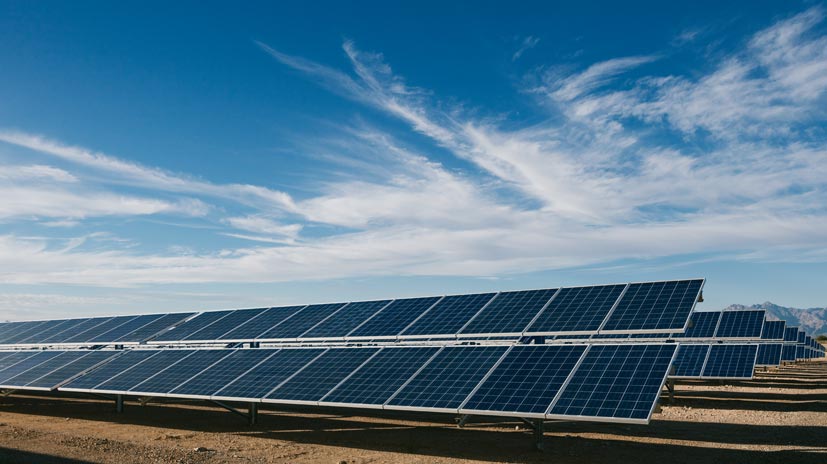
Solar energy refers to the radiant light and heat from the Sun that is harnessed using various technologies to generate electricity or heat water for residential, commercial, and industrial use. This renewable energy source is abundant and sustainable, making it an increasingly popular alternative to fossil fuels.
Solar energy can be captured through photovoltaic (PV) panels, which convert sunlight directly into electricity, or through solar thermal systems, which use sunlight to heat water or air for space heating, hot water supply, or industrial processes.
The primary advantage of solar energy is its environmental friendliness, as it produces no greenhouse gas emissions or air pollutants during operation. Additionally, solar energy systems can be installed at various scales, from small rooftop installations on individual homes to large utility-scale solar farms, making it versatile and adaptable to different energy needs.
Solar energy categories
Solar energy can be broadly categorized into two main types:
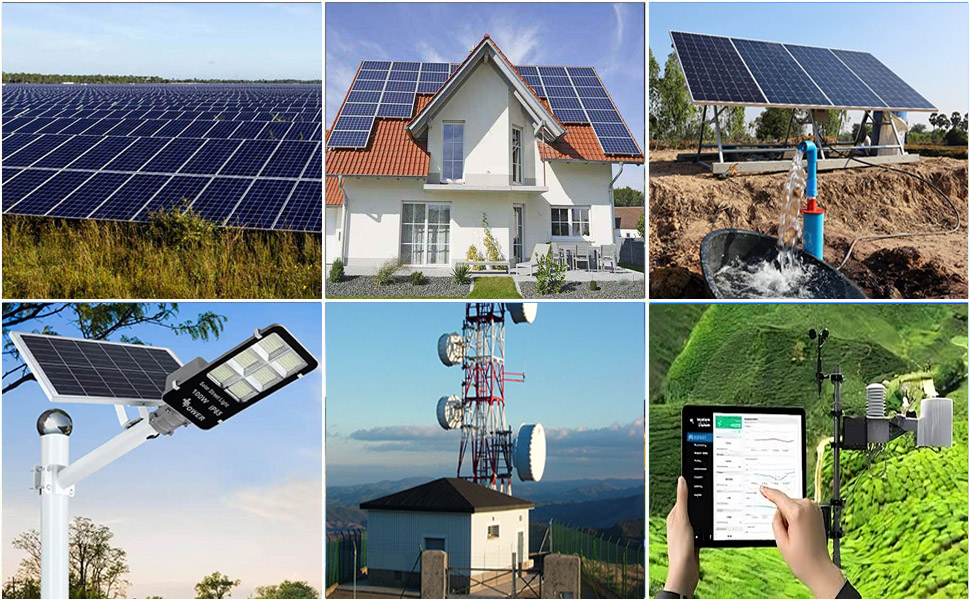
Photovoltaic (PV) Solar Energy: PV solar energy involves the conversion of sunlight directly into electricity using photovoltaic cells, typically made from semiconductor materials like silicon. When sunlight strikes these cells, it creates an electric field across the layers of the cell, generating a flow of electricity. PV solar panels can be installed on rooftops, mounted on the ground, or integrated into building structures to harness sunlight and produce electricity for residential, commercial, and industrial applications.
Solar Thermal Energy: Solar thermal energy utilizes sunlight to generate heat, rather than electricity. Solar thermal systems capture the sun’s energy to heat a fluid (such as water or oil) within a solar collector. This heated fluid is then used to produce steam, which drives turbines to generate electricity, or it can be directly utilized for heating water, space heating, or industrial processes. Solar thermal systems can be further classified into:
Concentrated Solar Power (CSP): CSP systems concentrate sunlight using mirrors or lenses onto a small area to produce high temperatures. This concentrated heat is used to generate steam, which powers a turbine to generate electricity.
Solar Water Heating Systems: These systems use solar collectors to heat water for residential or commercial use, such as hot water supply for showers, baths, and cleaning. Solar water heating systems are often used in conjunction with traditional water heaters to reduce energy consumption and lower utility bills.
Both PV solar energy and solar thermal energy offer clean, renewable alternatives to fossil fuels, helping to mitigate climate change and reduce reliance on non-renewable energy sources.
Solar energy applications
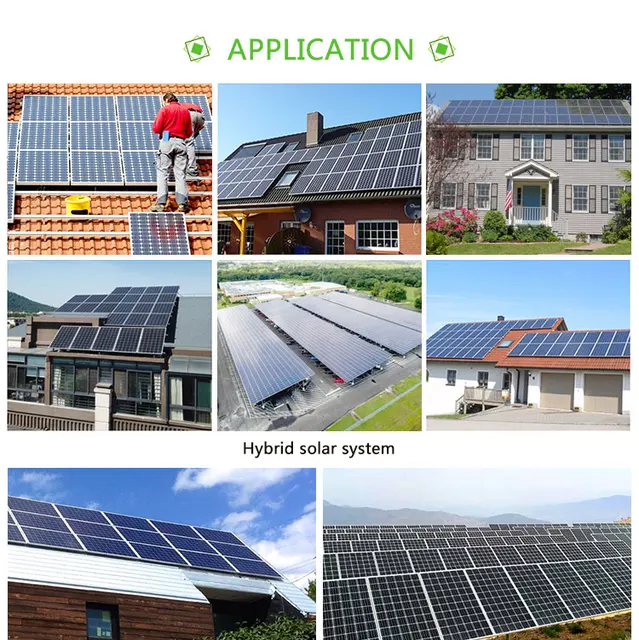
Solar energy has a wide range of applications across various sectors:
Residential Electricity Generation: Solar panels installed on residential rooftops can generate electricity to power homes. This reduces reliance on grid electricity and can lower energy bills.
Commercial and Industrial Electricity Generation: Solar energy can be used to power commercial buildings, factories, and industrial facilities. Large-scale solar arrays or rooftop installations can offset electricity costs and reduce carbon emissions.
Off-Grid Power Systems: Solar energy is crucial for providing electricity in remote areas where access to the grid is limited or unavailable. Off-grid solar systems, including solar panels and battery storage, can provide reliable electricity for homes, schools, clinics, and other infrastructure.
Water Heating: Solar water heating systems use sunlight to heat water for residential, commercial, and industrial purposes. They are used in swimming pools, hotels, laundries, and other facilities that require hot water.
Agricultural Applications: Solar energy can power irrigation systems, livestock water pumps, and agricultural machinery in rural areas. Solar-powered agricultural technologies improve efficiency and reduce reliance on fossil fuels.
Transportation: Solar energy can be used to charge electric vehicles (EVs) through solar carports or charging stations. Solar-powered vehicles, such as solar cars and solar-powered boats, directly harness sunlight to generate electricity for propulsion.
Outdoor Lighting: Solar-powered outdoor lighting systems, such as streetlights, pathway lights, and garden lights, use solar panels to charge batteries during the day and illuminate outdoor spaces at night.
Desalination: Solar energy can be integrated into desalination plants to produce freshwater from seawater or brackish water. Solar desalination systems use solar thermal energy or solar-powered reverse osmosis processes to purify water.
Space Exploration: Solar panels are commonly used to power satellites, space probes, and spacecraft in outer space. Photovoltaic cells convert sunlight into electricity to provide power for communication, navigation, and scientific experiments.
Disaster Relief and Humanitarian Aid: Solar energy plays a crucial role in disaster relief efforts by providing emergency power and lighting in areas affected by natural disasters or humanitarian crises. Solar-powered mobile charging stations and lighting systems help meet basic energy needs in refugee camps and disaster-stricken areas.
These diverse applications demonstrate the versatility and potential of solar energy to meet energy demands sustainably while reducing environmental impact and promoting energy independence.
How to find a good solar energy supplier in China?
Finding a reliable solar energy supplier in China requires careful research and consideration. Here are some steps you can take to identify and evaluate potential suppliers:
Online Research: Start by conducting online research to identify solar energy suppliers based in China. Use search engines, business directories, and B2B platforms to find companies that specialize in solar energy products.
Supplier Verification: Verify the legitimacy and credibility of potential suppliers by checking their website, business registration details, and customer reviews. Look for companies with a strong track record, certifications (such as ISO 9001, ISO 14001, and OHSAS 18001), and positive feedback from previous clients.
Product Range and Quality: Assess the range and quality of solar energy products offered by each supplier. Look for suppliers that offer a diverse selection of solar panels, inverters, mounting systems, and other components to meet your specific requirements. Ensure that their products comply with relevant international standards and certifications (such as IEC, UL, TUV, CE).
Manufacturing Facilities: Inquire about the manufacturing facilities and production capacity of potential suppliers. Visit their factories or request factory audit reports to assess their production capabilities, quality control processes, and adherence to environmental and labor standards.
Technical Support and After-Sales Service: Evaluate the technical support and after-sales service provided by each supplier. Choose a supplier that offers comprehensive technical assistance, installation guidance, and warranty support to ensure the smooth operation and maintenance of your solar energy system.
Price and Payment Terms: Compare pricing quotes from multiple suppliers to ensure competitive pricing without compromising on quality. Negotiate favorable payment terms, such as flexible payment schedules, secure payment methods (e.g., letter of credit, escrow), and incentives for bulk orders or long-term partnerships.
Supplier Reputation and References: Seek recommendations from industry peers, colleagues, or business associates who have experience sourcing solar energy products from China. Ask for references from the supplier and contact their existing clients to inquire about their satisfaction with the products and services provided.
Legal and Contractual Considerations: Review the terms and conditions of the supplier’s contracts, including delivery terms, warranty provisions, intellectual property rights, and dispute resolution mechanisms. Seek legal advice if necessary to ensure compliance with local regulations and mitigate potential risks.
By following these steps and conducting thorough due diligence, you can find a reputable solar energy supplier in China that meets your quality, cost, and service requirements.
Plus Power solar energy advantages
Plus Power is a leading provider of solar energy solutions, offering a range of advantages to its customers:
High-Quality Products: Plus Power delivers high-quality solar panels, inverters, mounting systems, and other components that are built to last and perform efficiently over their lifespan. Their products are manufactured using advanced technologies and adhere to strict quality standards to ensure reliability and durability.
Cost-Effective Solutions: Plus Power offers cost-effective solar energy solutions that provide excellent value for money. By leveraging economies of scale, efficient manufacturing processes, and competitive pricing, they help customers achieve significant savings on their energy bills and return on investment.
Customized Design and Installation: Plus Power provides customized design and installation services tailored to the specific needs and preferences of each customer. Their team of experienced engineers and technicians design solar energy systems that maximize energy production, optimize space utilization, and integrate seamlessly with existing infrastructure.
Performance Guarantee: Plus Power stands behind the performance of their solar energy systems with comprehensive performance guarantees and warranties. They ensure that their products meet or exceed specified performance metrics, providing peace of mind to customers and safeguarding their investment.
Technical Support and Maintenance: Plus Power offers ongoing technical support and maintenance services to ensure the long-term reliability and performance of their solar energy systems. Their team of experts provides troubleshooting assistance, regular maintenance checks, and timely repairs to minimize downtime and maximize system uptime.
Environmental Benefits: Plus Power’s solar energy solutions contribute to environmental sustainability by reducing carbon emissions, air pollution, and reliance on fossil fuels. By harnessing clean, renewable solar energy, customers can lower their carbon footprint and contribute to a greener, more sustainable future.
Energy Independence: Plus Power’s solar energy solutions provide customers with energy independence and resilience against fluctuating energy prices and supply disruptions. By generating their own electricity from sunlight, customers reduce their dependence on grid electricity and gain greater control over their energy usage and costs.
Overall, Plus Power offers a compelling combination of high-quality products, cost-effective solutions, customized design and installation, performance guarantees, technical support, and environmental benefits, making them a preferred choice for customers seeking reliable and sustainable solar energy solutions.