













What are the residential solar systems?
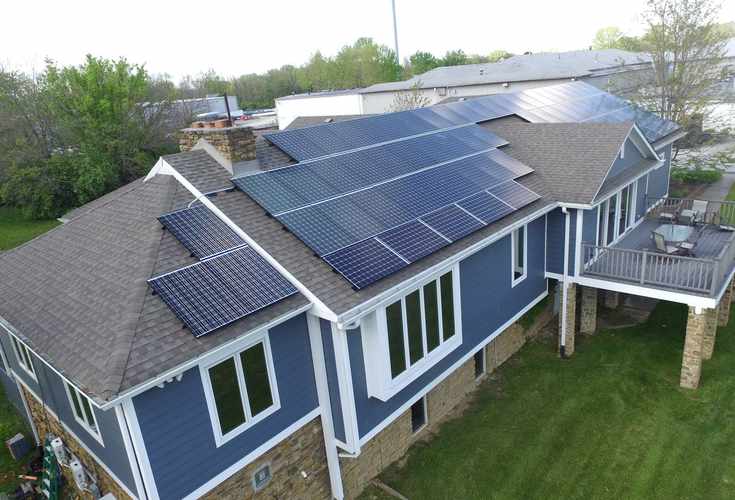
Residential solar systems are photovoltaic (PV) systems installed on residential properties to generate electricity from sunlight. These systems typically consist of solar panels, inverters, mounting structures, and sometimes battery storage.
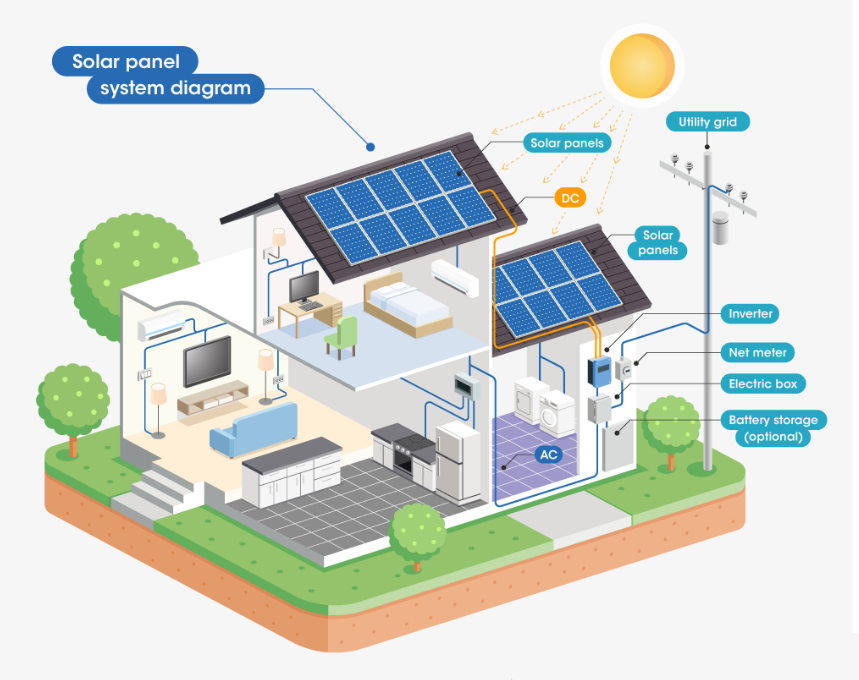
Solar Panels: These are the most visible part of a residential solar system. Solar panels are made up of many photovoltaic cells that convert sunlight into direct current (DC) electricity.
Inverters: Solar panels produce DC electricity, but most household appliances and the grid operate on alternating current (AC). Inverters convert the DC electricity generated by the solar panels into AC electricity that can be used in your home or exported to the grid.
Mounting Structures: Solar panels need to be mounted securely on the roof or ground. Mounting structures ensure that the panels are positioned optimally to capture sunlight throughout the day.
Monitoring System: Many residential solar systems come with monitoring systems that allow homeowners to track their energy production and consumption in real-time. This helps users optimize their energy usage and identify any issues with the system.
Optional: Battery Storage: Some residential solar systems include battery storage systems. These batteries store excess electricity generated during the day for use at night or during periods of low sunlight. Battery storage systems can increase energy independence and resilience during power outages.
Residential solar systems can significantly reduce electricity bills, decrease reliance on the grid, and lower carbon emissions by generating clean, renewable energy from the sun. Additionally, many governments offer incentives and rebates to encourage homeowners to install solar panels, making them a cost-effective investment for many households.
The categories for residential solar systems
Residential solar systems can be categorized based on various factors such as system size, configuration, and functionality. Here are some common categories:
Grid-Tied Systems: These systems are connected to the local utility grid. They generate electricity from sunlight during the day, and any excess electricity not used by the home is exported to the grid. Conversely, when solar production is low (e.g., at night), electricity is drawn from the grid. Grid-tied systems are the most common type of residential solar installation.
Off-Grid Systems: Unlike grid-tied systems, off-grid systems are not connected to the utility grid. They rely on battery storage to store excess electricity generated during the day for use when sunlight is not available (e.g., at night or during cloudy days). Off-grid systems are typically used in remote areas where grid connection is not feasible or cost-effective.
Hybrid Systems: Hybrid systems combine elements of both grid-tied and off-grid systems. They are connected to the grid but also have battery storage capabilities. These systems can operate in grid-tied mode, utilizing the grid for backup power when needed, and can switch to off-grid mode during grid outages or to maximize self-consumption of solar energy.
Residential Solar + Storage: This category refers to residential solar systems that include battery storage solutions. These systems store excess solar energy generated during the day for use later when the sun is not shining. Residential solar + storage systems can provide backup power during outages, increase self-consumption of solar energy, and provide greater energy independence.
Microinverter Systems: In traditional solar systems, a single inverter is used to convert the DC electricity generated by multiple solar panels into AC electricity. Microinverter systems, on the other hand, use a microinverter attached to each solar panel, offering advantages such as optimized energy production, increased system efficiency, and enhanced monitoring capabilities.
String Inverter Systems: In contrast to microinverter systems, string inverter systems use a single, centralized inverter to convert the DC electricity from multiple solar panels into AC electricity. While generally less expensive than microinverters, string inverter systems may experience decreased performance if shading or panel mismatch occurs.
These categories encompass a range of residential solar system configurations and functionalities, each offering unique advantages and considerations for homeowners.
How do residential solar systems work?
Residential solar systems work by harnessing the energy from sunlight to generate electricity. Here’s a step-by-step explanation of how they operate:
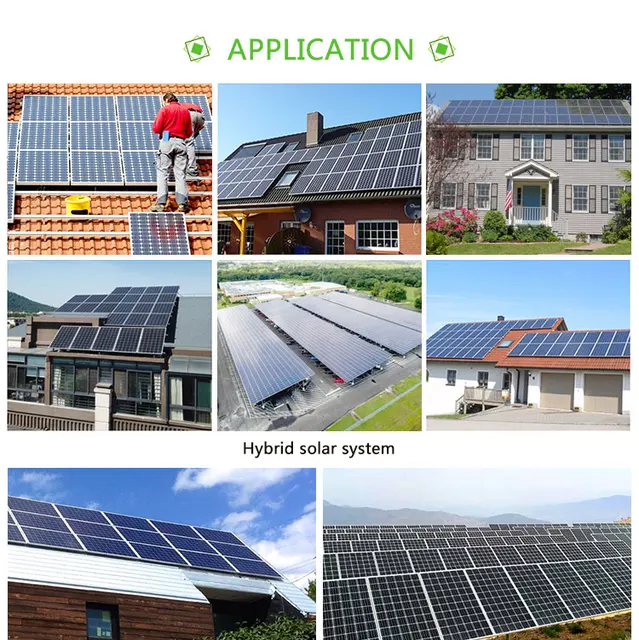
Solar Panels Absorb Sunlight: Solar panels, typically mounted on the roof or in an open area with maximum sun exposure, contain photovoltaic cells made of semiconductor materials like silicon. When sunlight hits these cells, it excites the electrons within them, creating a flow of electricity known as direct current (DC).
Conversion of DC to AC: The DC electricity generated by the solar panels is then sent to an inverter, which converts it into alternating current (AC) electricity. AC electricity is the type of electricity used in most homes and appliances.
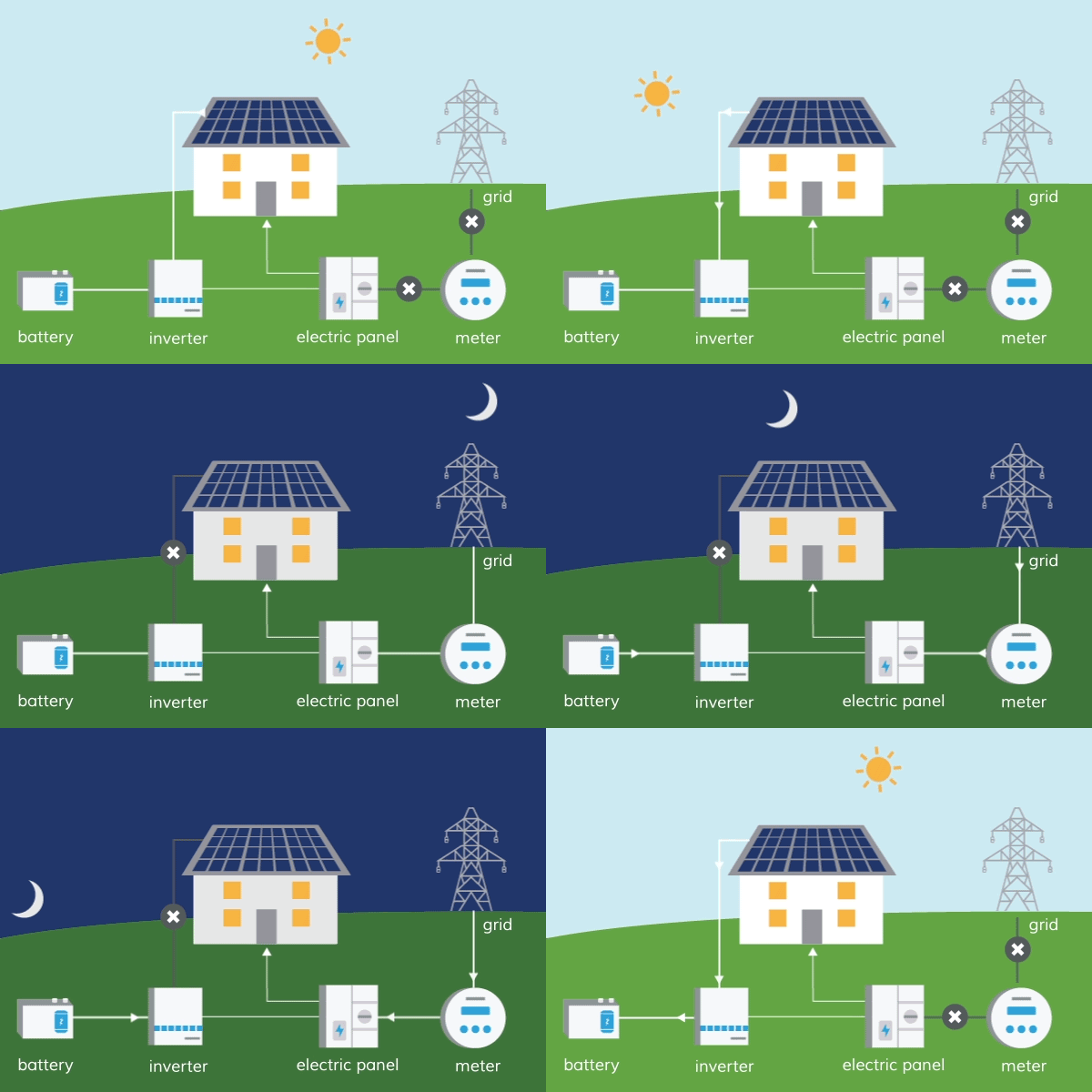
Powering the Home: The AC electricity produced by the inverter can now be used to power household appliances, lights, electronics, and other electrical devices within the home. When the solar panels produce more electricity than the home consumes, the excess electricity can be fed back into the grid if the system is grid-tied, stored in batteries if the system includes storage, or dissipated if the system is off-grid and not connected to the grid.
Grid Interaction (for Grid-Tied Systems): In grid-tied systems, any excess electricity generated by the solar panels can be exported to the local utility grid. This process is typically facilitated through a bi-directional meter installed by the utility company, which measures both electricity consumption from the grid and electricity fed back into the grid from the solar system. Homeowners may receive credits or compensation for the excess electricity they contribute to the grid through net metering or feed-in tariffs, depending on local regulations.
Monitoring and Maintenance: Many residential solar systems come equipped with monitoring systems that allow homeowners to track the performance and output of their solar panels in a real-time. Regular maintenance, such as cleaning the panels to remove dirt and debris, may be required to ensure optimal performance and efficiency.
Battery Storage (if applicable): In systems equipped with battery storage, excess electricity generated during the day is stored in batteries for later use. This stored energy can be utilized during periods of low sunlight or during power outages, providing greater energy independence and resilience.
Overall, residential solar systems enable homeowners to generate clean, renewable energy from the sun, reduce electricity bills, and contribute to environmental sustainability.
How to find a good residential solar system manufacturer?
Finding a good residential solar system manufacturer involves thorough research and consideration of several factors. Here are some steps you can take to identify reputable manufacturers:
Research Online: Utilize online resources such as manufacturer websites, solar industry directories, and review platforms to identify potential residential solar system manufacturers. Look for manufacturers with a strong reputation, positive customer reviews, and a track record of delivering high-quality products.
Check Certification and Accreditation: Verify that the manufacturer holds relevant certifications and accreditations, such as the International Organization for Standardization (ISO) certification and certifications from relevant industry organizations like the Solar Rating and Certification Corporation (SRCC) or Underwriters Laboratories (UL). These certifications demonstrate that the manufacturer’s products meet industry standards for quality and performance.
Review Product Specifications: Evaluate the technical specifications of the manufacturer’s solar panels and other components, such as efficiency ratings, warranty terms, durability, and performance in various conditions (e.g., low light, high temperatures). Look for products that offer competitive performance and reliability.
Consider Warranty Coverage: Assess the warranty coverage provided by the manufacturer for their solar panels and other components. Look for warranties that offer comprehensive coverage for a reasonable duration, including coverage for defects, performance guarantees, and degradation over time.
Evaluate Pricing and Value: Compare pricing and value offered by different manufacturers, considering factors such as upfront costs, long-term savings potential, return on investment (ROI), and overall value proposition. Avoid choosing solely based on price; prioritize quality, reliability, and performance.
Seek Recommendations and References: Ask for recommendations from friends, family, neighbors, or colleagues who have installed residential solar systems. Additionally, request references from the manufacturer and reach out to past customers to inquire about their experience with the manufacturer’s products and services.
Assess Customer Support and Service: Evaluate the manufacturer’s customer support and service offerings, including pre-sales assistance, technical support, installation support, and post-sales support. Choose a manufacturer that provides responsive and reliable customer service to address any questions or issues that may arise.
Check Financial Stability: Assess the financial stability and reputation of the manufacturer, as well as their longevity in the industry. Choose a manufacturer with a solid financial standing and a proven track record of success to minimize the risk of warranty issues or product discontinuation.
By following these steps and conducting thorough research, you can identify a reputable residential solar system manufacturer that offers high-quality products, reliable performance, and excellent customer support.
Plus Power residential solar systems advantages
Here are some general advantages for Plus Power residential solar systems:
High-Quality Products: Plus Power residential solar systems feature high-quality solar panels and components known for their durability, efficiency, and reliability. Quality products can ensure long-term performance and maximize energy production.
Performance Guarantee: Plus Power offers performance guarantees for their solar panels, ensuring that the system meets or exceeds specified performance metrics over its lifetime. This guarantee provides peace of mind to homeowners and demonstrates the manufacturer’s confidence in their products.
Comprehensive Warranty: Plus Power residential solar systems come with comprehensive warranty coverage for solar panels and other components, protecting homeowners against defects, malfunctions, and performance issues. A strong warranty demonstrates the manufacturer’s commitment to customer satisfaction and product quality.
Customized Solutions: Plus Power offers customized solar solutions tailored to meet the specific needs and preferences of homeowners. This customization can include system design, sizing, and configuration to optimize energy production and maximize savings.
Professional Installation: Plus Power provides professional installation services by certified technicians or authorized partners. Proper installation is crucial for the performance and longevity of the solar system, ensuring safe and efficient operation.
Monitoring and Maintenance: Plus Power residential solar systems include monitoring systems that allow homeowners to track energy production, monitor system performance, and identify potential issues in a real-time. Additionally, Plus Power may offer maintenance services to ensure the ongoing reliability and efficiency of the solar system.
Financial Benefits: Installing a Plus Power residential solar system can provide financial benefits, including reduced electricity bills, potential incentives, tax credits, and increased home value. Plus Power may offer financing options to make solar more accessible and affordable for homeowners.
Environmental Impact: By choosing a Plus Power residential solar system, homeowners can reduce their carbon footprint and contribute to environmental sustainability. Solar energy is clean, renewable, and reduces reliance on fossil fuels, helping to mitigate climate change and protect the environment.
Overall, Plus Power residential solar systems offer numerous advantages, including high-quality products, performance guarantees, comprehensive warranties, customized solutions, professional installation, monitoring and maintenance services, financial benefits, and positive environmental impact. It’s essential to research specific offerings and compare them with other providers to determine the best solution for your home.