














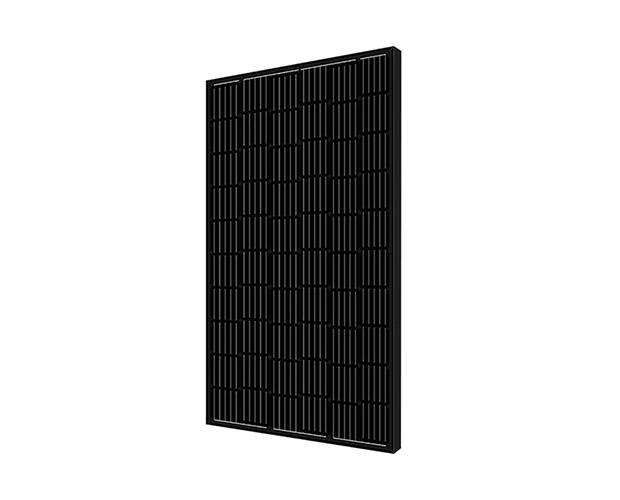
What’s an industrial solar panel?
An industrial solar panel refers to a solar panel system designed and utilized for industrial applications, such as factories, warehouses, manufacturing plants, and other large-scale operations. These solar panel systems are typically larger in size and capacity compared to residential or commercial solar panel systems.
Industrial solar panels are installed on rooftops or open land adjacent to industrial facilities to generate electricity from sunlight. The electricity generated can be used to power various industrial processes, machinery, lighting, and other electrical loads within the facility, thereby reducing reliance on traditional grid electricity and lowering energy costs.
These solar panels often use high-efficiency photovoltaic (PV) cells to maximize electricity generation and may incorporate advanced monitoring and control systems to optimize performance and ensure reliability in industrial settings. Additionally, industrial solar panel installations may require specialized engineering and construction considerations to withstand the unique environmental and operational challenges present in industrial environments.
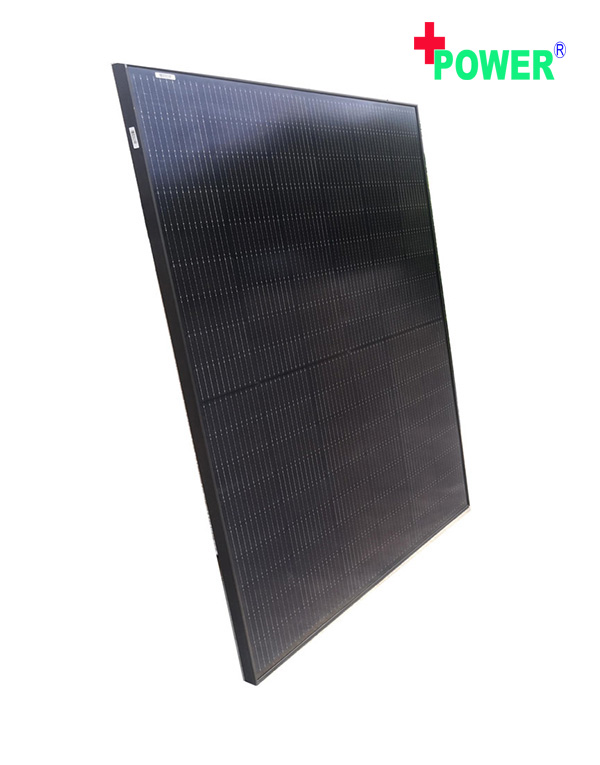
Which solar panel is best for industrial use?
The best solar panels for industrial use depend on various factors such as efficiency, durability, reliability, cost-effectiveness, and specific requirements of the industrial application. Here are some considerations for choosing solar panels for industrial use:
Efficiency: High-efficiency solar panels can generate more electricity per unit area, making them suitable for industrial applications where space may be limited. Monocrystalline solar panels typically offer higher efficiency compared to polycrystalline panels.
Durability and Reliability: Industrial environments may subject solar panels to harsh conditions such as extreme temperatures, humidity, and exposure to chemicals or pollutants. Therefore, selecting solar panels with high durability and reliability is crucial to ensure long-term performance. Look for panels with robust construction, corrosion-resistant materials, and warranties that cover performance over an extended period.
Cost-effectiveness: While high-quality solar panels may come with a higher initial cost, they often offer better long-term returns on investment through higher energy production and lower maintenance requirements. Consider the balance between upfront costs and long-term benefits when selecting solar panels for industrial use.
Manufacturer Reputation: Choose solar panels from reputable manufacturers with a proven track record of quality, reliability, and customer support. Research the manufacturer’s reputation, certifications, and customer reviews to ensure the panels meet your industrial requirements.
Customization and Integration: Some industrial applications may require customized solar solutions or integration with existing infrastructure. Choose solar panels from manufacturers that offer customization options and compatibility with inverters, mounting systems, and other components tailored to your specific industrial needs.
Regulatory Compliance: Ensure that the chosen solar panels comply with relevant industry standards, certifications, and regulations to meet safety, performance, and environmental requirements for industrial installations.
Ultimately, the best solar panels for industrial use will depend on the unique requirements, budget, and priorities of each industrial facility. Consulting with solar energy experts or engineers can help evaluate options and determine the most suitable solar panel solution for your industrial application.
How does industrial solar work?
Industrial solar systems work by converting sunlight into electricity using photovoltaic (PV) technology. Here’s a simplified explanation of how industrial solar works:
Solar Panels: Industrial solar installations consist of arrays of solar panels, which are composed of many solar cells made of semiconductor materials such as silicon. When sunlight hits these solar cells, it excites electrons within the semiconductor material, creating a flow of electricity.
Inverters: The direct current (DC) electricity generated by the solar panels is then sent to inverters, which convert it into alternating current (AC) electricity. AC electricity is the standard form of electricity used by most industrial equipment and machinery.
Electrical System Integration: The AC electricity produced by the inverters is integrated into the industrial facility’s electrical system. Depending on the specific requirements, this electricity can be used to power machinery, equipment, lighting, and other electrical loads within the facility.
Net Metering or Battery Storage (Optional): In some cases, industrial solar installations may incorporate net metering or battery storage systems. Net metering allows excess electricity generated by the solar panels to be fed back into the grid, offsetting the industrial facility’s electricity consumption and potentially earning credits or revenue. Battery storage systems store excess electricity generated during the day for use during periods of low sunlight or high energy demand, providing backup power and increasing energy independence.
Monitoring and Maintenance: Industrial solar systems often include monitoring systems to track energy production, detect issues, and optimize performance. Regular maintenance, including cleaning panels, inspecting equipment, and ensuring proper system operation, is essential to maximize the lifespan and efficiency of the solar installation.
Overall, industrial solar systems harness the power of sunlight to generate clean, renewable electricity, reducing reliance on traditional grid electricity and lowering energy costs for industrial facilities. By leveraging solar energy, industrial operations can achieve environmental sustainability, energy independence, and long-term cost savings.
How much energy can industrial solar panels produce?
The amount of energy that industrial solar panels can produce varies depending on several factors, including the size of the solar installation, the efficiency of the solar panels, the geographic location, the orientation and tilt angle of the panels, shading, weather conditions, and system losses.
On average, industrial solar panels can produce anywhere from 1.5 to 2.5 kilowatt-hours (kWh) of electricity per square meter of panel area per day in locations with good solar resources. However, actual energy production can fluctuate significantly throughout the year due to seasonal variations in sunlight intensity and daylight hours.
To provide a rough estimate, let’s consider a hypothetical industrial solar installation with a total panel area of 10,000 square meters (about 107,639 square feet). Assuming an average daily energy production of 2 kWh per square meter, the total daily energy production would be:
Total daily energy production = Panel area (square meters) × Average daily energy production (kWh/square meter)
= 10,000 square meters × 2 kWh/square meter
= 20,000 kWh
Keep in mind that this is just a rough estimate, and actual energy production can vary based on the factors mentioned earlier. Additionally, industrial solar installations often undergo detailed site assessments and performance modeling to accurately predict energy production and optimize system design for specific industrial applications.
Why choose plus power industrial solar panels?
Choosing Plus Power industrial solar panels can offer several advantages depending on your specific requirements and preferences. Plus Power is a reputable manufacturer known for producing high-quality solar panels with advanced technology and features. Here are some reasons why you might consider choosing Plus Power industrial solar panels:
High Efficiency: Plus Power solar panels often feature high-efficiency solar cells, which can generate more electricity per square meter of panel area. This can be particularly beneficial for industrial applications where space may be limited, maximizing energy production and optimizing the return on investment.
Reliability and Durability: Plus Power solar panels are designed to withstand harsh environmental conditions and have a proven track record of reliability and durability. This is crucial for industrial installations, where solar panels may be exposed to extreme temperatures, humidity, and other challenging conditions.
Advanced Technology: Plus Power continually invests in research and development to incorporate advanced technology and features into their solar panels. This may include innovations such as anti-reflective coatings, improved cell interconnection methods, and enhanced durability enhancements, all of which can contribute to better performance and longevity.
Product Warranty: Plus Power typically offers robust product warranties on their solar panels, providing peace of mind and protection against manufacturing defects or performance issues. Longer warranty periods can indicate the manufacturer’s confidence in the quality and reliability of their products.
Customer Support: Plus Power is known for providing excellent customer support, including technical assistance, warranty services, and ongoing maintenance support. This can be valuable for industrial customers who require reliable support throughout the lifespan of their solar installations.
Cost-effectiveness: While the upfront cost of Plus Power solar panels may vary, they often provide good value for the quality and performance offered. By maximizing energy production and minimizing maintenance requirements, Plus Power solar panels can contribute to long-term cost savings for industrial solar projects.
Ultimately, the decision to choose Plus Power industrial solar panels should be based on a thorough evaluation of your specific requirements, project goals, budget constraints, and preferences. It’s recommended to consult with solar energy experts or suppliers who can assess your needs and provide tailored recommendations for the most suitable solar panel solution.