














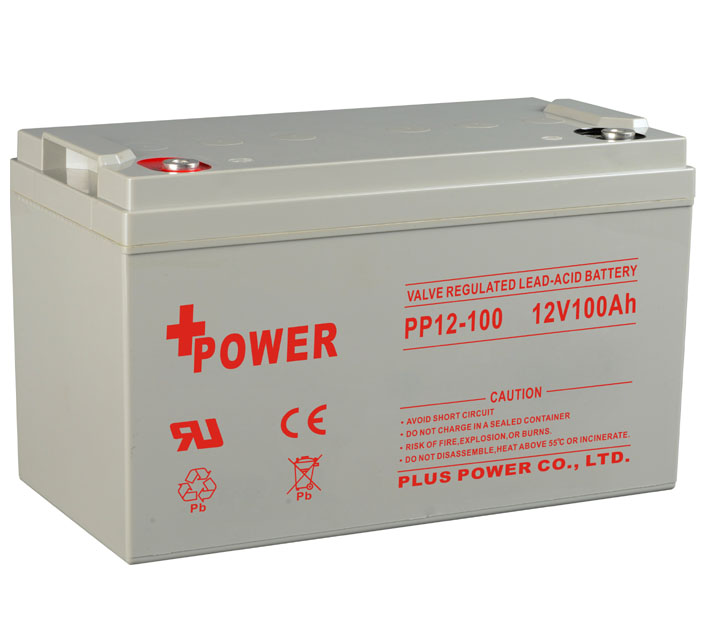
1. What’s vrla battery
A VRLA battery, which stands for Valve-Regulated Lead-Acid battery, is a type of rechargeable battery commonly used for various applications, including uninterruptible power supplies (UPS), emergency lighting, alarm systems, and in some cases, renewable energy systems. VRLA batteries are also sometimes referred to as sealed lead-acid (SLA) batteries because they are designed to be maintenance-free and do not require the addition of water or electrolyte during their operational life.
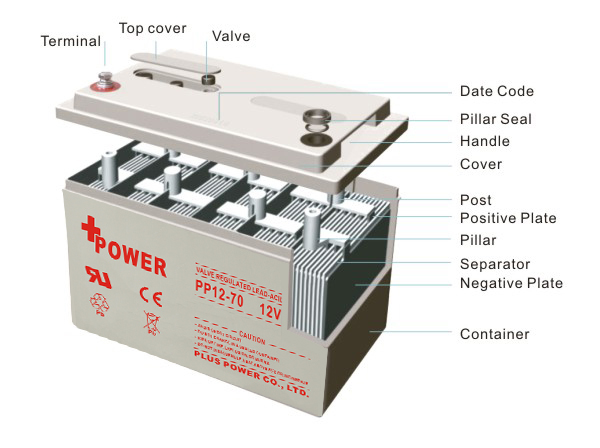
Key features of VRLA batteries include:
Sealed Design: VRLA batteries are sealed, which means they do not allow for the release of gases or electrolytes under normal operating conditions. This makes them safer and more suitable for indoor and enclosed applications.
Valve Regulation: VRLA batteries are equipped with a pressure relief valve that allows excess gas to escape if the internal pressure exceeds a safe limit. This valve helps prevent the battery from over-pressurizing and potentially exploding.
Absorbent Glass Mat (AGM) or Gel Electrolyte: VRLA batteries come in two main variants—AGM and Gel. AGM batteries use an Absorbent Glass Mat separator to hold the electrolyte in place, while Gel batteries use a thick silica gel to immobilize the electrolyte. Both designs minimize the risk of leakage and enhance the battery’s stability.
Maintenance-Free: VRLA batteries are designed to be maintenance-free, which means they do not require regular checking or topping up of electrolyte levels. This makes them more user-friendly than traditional flooded lead-acid batteries.
Deep-Cycle and Starting Batteries: VRLA batteries are available in different types, including deep-cycle and starting batteries. Deep-cycle VRLA batteries are designed to provide a consistent amount of power over a longer period, making them suitable for applications like solar power storage. Starting batteries are designed to deliver a high burst of power to start engines, making them common in automotive applications.
VRLA batteries have several advantages, such as their reliability, minimal maintenance requirements, and relatively low cost compared to some other battery technologies. However, they also have limitations, including a finite lifespan, sensitivity to overcharging, and reduced capacity at low temperatures. Proper care and maintenance are essential to ensure the longevity and optimal performance of VRLA batteries.
2. What’s the same and different between VRLA battery and SLA battery
VRLA Battery (Valve-Regulated Lead-Acid) and SLA Battery (Sealed Lead-Acid) are terms often used interchangeably because VRLA batteries are a type of SLA battery. However, there are some distinctions between them:
Similarities:
Sealed Design: Both VRLA and SLA batteries have a sealed design, which means they do not allow the escape of gases or electrolytes under normal operating conditions. This makes them safe for indoor and enclosed applications.
Maintenance-Free: Both types of batteries are designed to be maintenance-free, meaning they do not require regular topping up of electrolyte levels.
Differences:
Specific Technology:
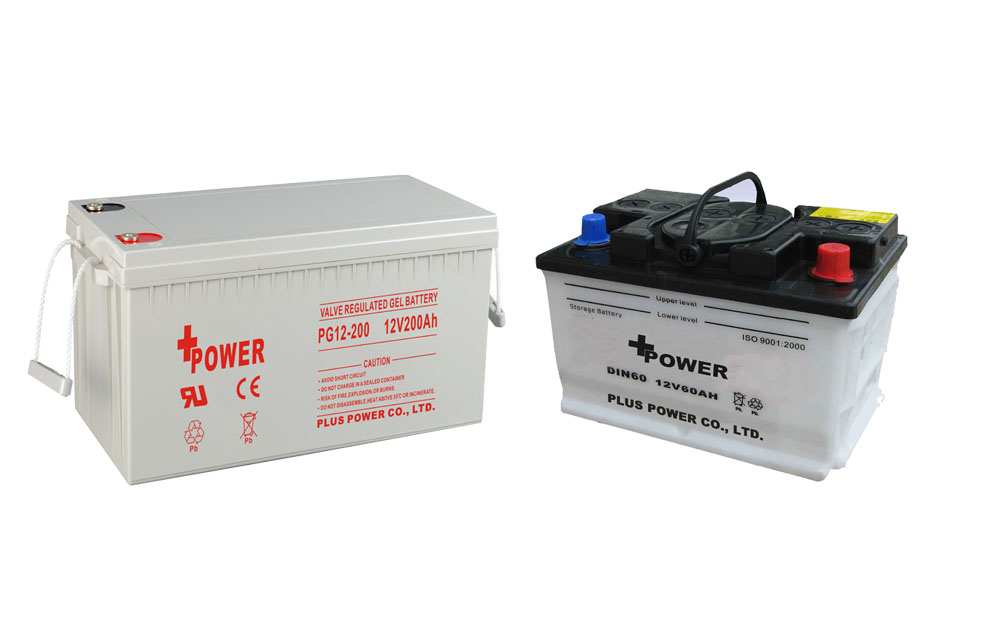
VRLA Battery (Valve-Regulated Lead-Acid): VRLA is a more specific term that describes a subtype of SLA batteries. VRLA batteries can be further divided into Absorbent Glass Mat (AGM) and Gel batteries, both of which are sealed and valve-regulated.
SLA Battery (Sealed Lead-Acid): SLA is a broader term that encompasses all sealed lead-acid batteries, including VRLA batteries (AGM and Gel), as well as other less common sealed designs.
Electrolyte Medium:
VRLA Battery: VRLA batteries can use either an Absorbent Glass Mat (AGM) separator or a Gel electrolyte. AGM batteries have a fiberglass mat that absorbs the electrolyte, while Gel batteries use a thick silica gel. These differences in the electrolyte medium affect the battery’s performance characteristics.
SLA Battery: SLA batteries can refer to any sealed lead-acid battery, including those with liquid electrolytes (flooded) that are sealed to prevent electrolyte leakage. VRLA batteries are a subset of SLA batteries with a specific valve-regulated and sealed design.
Performance Characteristics:
VRLA Battery: Depending on whether it’s AGM or Gel, VRLA batteries may have slightly different performance characteristics. AGM batteries typically offer a higher charge and discharge efficiency, making them suitable for high-demand applications like UPS systems. Gel batteries have a slower discharge rate but are more tolerant of deep discharges, making them suitable for applications like solar energy storage.
SLA Battery: The term SLA encompasses various sealed lead-acid battery designs, including VRLA batteries. Non-VRLA SLA batteries with liquid electrolytes are less common today but can still be found in specific applications. These non-VRLA SLA batteries may have different performance characteristics compared to VRLA batteries.
In summary, while VRLA batteries and SLA batteries share common characteristics such as being sealed and maintenance-free, the key difference lies in the specific technology used within the VRLA category (AGM or Gel) and the broader scope of SLA, which includes various sealed lead-acid battery designs. Therefore, when referring to a VRLA battery, you are specifying a type of SLA battery with particular characteristics.
3. What are the applications for VRLA battery?
VRLA (Valve-Regulated Lead-Acid) batteries find applications in a wide range of industries and settings due to their sealed, maintenance-free design and reliability. Some common applications for VRLA batteries include:

Uninterruptible Power Supplies (UPS): VRLA batteries are frequently used in UPS systems to provide backup power during electrical outages. They offer a reliable and efficient energy storage solution for critical equipment like data centers, hospitals, and telecommunications infrastructure.
Emergency Lighting: VRLA batteries power emergency lighting systems in buildings, ensuring that exit signs and emergency lights remain operational during power failures or emergencies.
Alarm and Security Systems: VRLA batteries are used to provide backup power for alarm and security systems, ensuring they continue to function even if the main power source is compromised.
Telecommunications: VRLA batteries are employed in telecommunications facilities to maintain power continuity for cell towers, switching stations, and other critical equipment. They help ensure uninterrupted communication services.
Renewable Energy Systems: In off-grid and hybrid renewable energy systems, VRLA batteries store energy generated from sources like solar panels or wind turbines. This stored energy can be used during periods of low energy production or at night.
Medical Equipment: VRLA batteries are used in various medical devices and equipment, such as portable ventilators, patient monitors, and infusion pumps, providing backup power in case of power interruptions.
Electric Wheelchairs and Mobility Scooters: Many electric wheelchairs and mobility scooters are powered by VRLA batteries for their convenience and reliability.
Golf Carts and Electric Vehicles: Some smaller electric vehicles, including golf carts and neighborhood electric vehicles (NEVs), use VRLA batteries for their power source.
Marine and RV Applications: VRLA batteries are utilized in boats, yachts, and recreational vehicles (RVs) to provide auxiliary power for lighting, appliances, and accessories.
Aircraft Starting and Ground Power: VRLA batteries are used in aviation for aircraft starting ground power units, and auxiliary power units (APUs).
Material Handling Equipment: Forklifts and other industrial material handling equipment often use VRLA batteries to power their electric motors.
Emergency Power for Remote Locations: VRLA batteries are suitable for providing backup or emergency power in remote locations where access to the electrical grid is limited or unreliable.
Electric Fences: VRLA batteries are used in electric fencing systems for agriculture and security purposes to deter unauthorized entry.
Camping and Outdoor Activities: Portable power stations and camping equipment, such as portable fridges and lighting systems, may use VRLA batteries for off-grid power.
Home Energy Storage: VRLA batteries can be employed for residential energy storage, especially in regions with unreliable grid power or as part of a backup power system.
These are just a few examples of the many applications of VRLA batteries. Their versatility, reliability, and ease of maintenance make them a preferred choice in various industries and settings where backup or standby power is essential.
4. Why Import VRLA Batteries from China
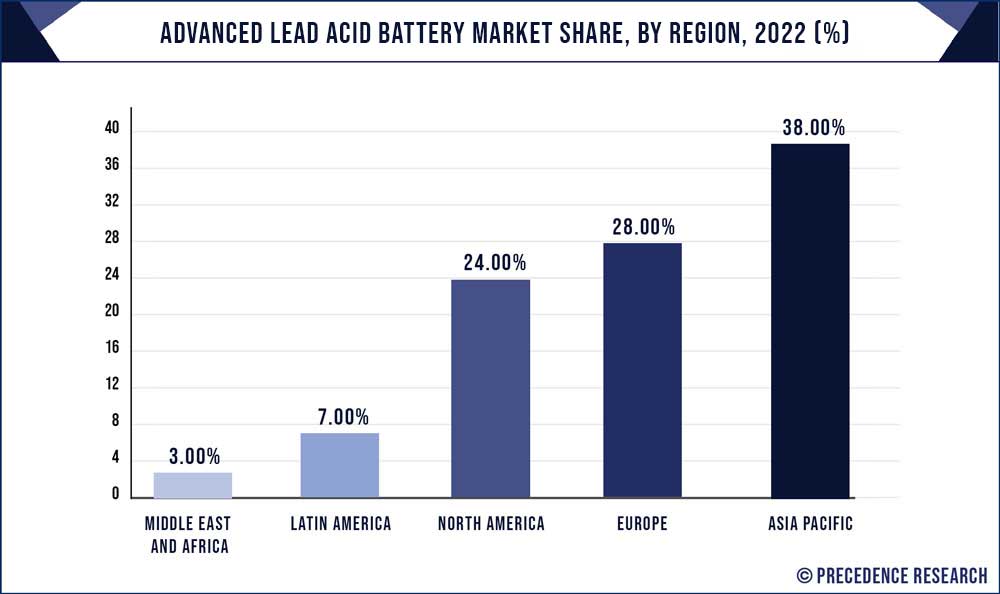
Importing VRLA (Valve-Regulated Lead-Acid) batteries from China can be an attractive option for several reasons:
Cost-Effective Production: China is known for its cost-effective manufacturing capabilities. The country often produces goods at a lower cost compared to many other regions due to lower labor costs and economies of scale. This can result in competitive pricing for VRLA batteries, making them more affordable for buyers.
Wide Range of Suppliers: China has a vast and diverse network of battery manufacturers and suppliers, offering a wide range of VRLA battery types, sizes, and specifications. This variety allows buyers to find products that suit their specific needs.
Quality: While cost-effective, many Chinese manufacturers adhere to international quality standards and certifications, such as ISO and UL (Underwriters Laboratories). Buyers can select suppliers who meet their quality requirements and standards.
Customization Options: Chinese manufacturers often offer customization options for VRLA batteries, allowing buyers to request specific features, capacities, and designs to meet their unique applications.
Supply Chain Efficiency: China has a well-developed supply chain infrastructure, which can lead to efficient production and shipping processes. This can result in shorter lead times and more reliable delivery schedules.
Volume Production: China is one of the world’s largest producers of batteries, including VRLA batteries. This means that manufacturers often have the capacity to produce batteries in large volumes, making it easier to meet bulk orders or large-scale projects.
Technological Advancements: Chinese battery manufacturers have made significant advancements in battery technology, including VRLA batteries. They may offer products with improved performance, longer lifespans, and better energy efficiency.
Global Export Experience: Chinese battery manufacturers have extensive experience in exporting their products worldwide. They are familiar with international shipping regulations and can provide efficient logistics solutions.
Competitive Market: The competitive nature of the Chinese battery market can drive innovation and cost reduction. Buyers benefit from the competitive environment, which can lead to improved product offerings and pricing.
However, when considering importing VRLA batteries from China, it’s important to exercise due diligence. Factors to consider include:
Supplier Reputation: Research and verify the reputation and track record of potential suppliers. Look for reviews, references, and certifications.
Quality Assurance: Ensure that the manufacturer adheres to quality control standards and certifications relevant to your industry and market.
Compliance with Regulations: Verify that the VRLA batteries meet the safety and environmental regulations of the destination country.
Import Logistics: Understand the logistics of importing goods from China, including shipping, customs, duties, and import regulations.
Communication: Establish clear communication channels with the supplier to address any questions, concerns, or customization requirements.
Sample Testing: Consider requesting samples for testing and evaluation before placing a large order.
Ultimately, the decision to import VRLA batteries from China should be based on a thorough assessment of your specific needs, budget, and the capabilities of potential suppliers. It’s also advisable to work with experienced import/export professionals or consultants to navigate the complexities of international trade successfully.
5. How to find a high-quality VRLA battery china manufacturer
Finding a high-quality VRLA (Valve-Regulated Lead-Acid) battery manufacturer in China requires careful research and due diligence. Here are steps to help you identify reliable and reputable manufacturers:
Define your requirements:
Determine the specific requirements of your purchase, including the qty of your VRLA battery, your budget, and any special features or components you need.
Research and shortlist suppliers:
Start by conducting online research to identify potential suppliers in China. You can use search engines, business directories, and trade websites. However, it should be emphasized that the larger the scale and reputation of the supplier, the better. You must find a supplier of corresponding scales according to your actual needs.
Trade Shows and Exhibitions:
Attend battery industry trade shows and exhibitions both in China and internationally. These events offer opportunities to meet manufacturers in person, see their products, and establish connections.
Industry Associations:
Contact industry associations related to batteries or energy storage in China. They may provide recommendations or lists of reputable manufacturers.
Supplier Verification Services:
Consider using supplier verification services offered by platforms like Alibaba, which can help you identify trusted and verified suppliers.
Reference Checks:
Ask for recommendations from business associates, colleagues, or industry contacts who have experience importing from China. Personal referrals can be valuable.
Online Reviews and Ratings:
Look for online reviews and ratings of potential manufacturers. While not always completely reliable, they can provide insights into other buyers’ experiences.
Background Checks:
Research the manufacturer’s history, including how long they’ve been in business, their production capacity, and any notable clients or projects they’ve worked on.
Quality Certifications:
Verify that the manufacturer holds relevant quality certifications, such as ISO 9001, ISO 14001, and UL (Underwriters Laboratories) certifications. These certifications indicate a commitment to quality standards.
Factory Visits:
If feasible, plan a visit to the manufacturer’s facilities in China. This allows you to assess their production processes, quality control measures, and overall operation.
Communication:
Reach out to potential manufacturers and engage in meaningful communication. Ask questions about their products, production processes, quality control, and lead times. Prompt and transparent communication is a positive sign.
Sample Orders:
Request samples of the VRLA batteries you intend to purchase. Testing samples can help you assess the product’s quality, performance, and compatibility with your requirements.
Terms and Conditions:
Review the manufacturer’s terms and conditions, including warranties, return policies, and payment terms. Ensure they align with your expectations and industry standards.
Audit and Inspection Services:
Consider hiring third-party audit or inspection services to evaluate the manufacturer’s production facilities and processes. This provides an independent assessment of their capabilities.
Legal Contracts:
Draft clear and comprehensive legal contracts that outline the terms of your partnership, quality standards, delivery schedules, and dispute resolution mechanisms.
Payment Security:
Use secure payment methods, such as letters of credit (LC) or payment through reputable platforms, to protect your financial interests.
Remember that finding a high-quality manufacturer is crucial to your business’s success, so take your time during the selection process. Building a strong, long-term relationship with a reputable VRLA battery manufacturer in China can lead to reliable product supply and mutual growth.
6. Why choose to buy Plus Power VRLA batteries
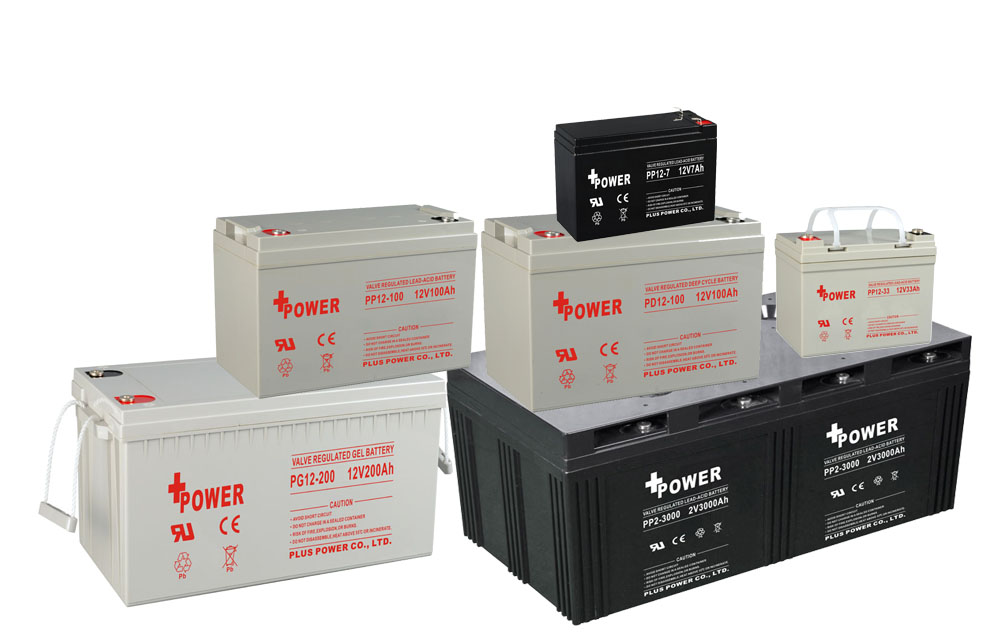
The decision to buy Plus Power VRLA (Valve-Regulated Lead-Acid) batteries or any specific brand of VRLA batteries, should be based on your specific needs, requirements, and the performance and reliability of the product. Here are some reasons why you might consider choosing Plus Power VRLA batteries:
Reputation and Reliability: Plus Power is a well-established brand in the battery industry, known for producing reliable and high-quality VRLA batteries. Their reputation for quality can provide peace of mind that you are investing in a dependable product.
Quality Assurance: Plus Power may adhere to international quality standards and certifications, ensuring that its batteries meet industry-specific performance and safety requirements.
Variety of Models: Plus Power likely offers a range of VRLA battery models with different capacities, voltages, and configurations. This variety allows you to choose a battery that precisely matches your application’s requirements.
Customization Options: Some manufacturers, including Plus Power, may offer customization options, allowing you to request specific features or designs to suit your unique needs.
Application Versatility: Plus Power VRLA batteries may be suitable for a wide range of applications, including UPS systems, emergency lighting, telecommunications, renewable energy storage, and more. Their versatility can make them a viable choice for various industries.
Warranty and Support: Investigate Plus Power’s warranty and after-sales support policies. A strong warranty and reliable customer support can provide added confidence in the product.
Longevity: VRLA batteries, when properly maintained, can have a long service life. Plus Power batteries may offer durability and longevity, which can reduce the total cost of ownership over time.
Performance Characteristics: Assess the specific performance characteristics of Plus Power VRLA batteries, such as charge and discharge efficiency, cycle life, and tolerance to deep discharges. Choose a model that aligns with your application’s requirements.
Value for Money: Consider the overall value that Plus Power batteries offer. While the initial cost is important, evaluate factors like reliability, longevity, and performance to determine the true value for your investment.
Availability and Distribution: Ensure that Plus Power batteries are readily available in your region and have a reliable distribution network. This ensures that you can access spare batteries and support when needed.
Environmental Considerations: Examine Plus Power’s commitment to environmental sustainability. Some manufacturers prioritize eco-friendly production processes and materials, which may align with your values and regulatory requirements.
Peer and Expert Reviews: Seek out reviews and testimonials from other users and experts in the field to gather insights into real-world performance and experiences with Plus Power VRLA batteries.
Compatibility: Verify that Plus Power batteries are compatible with your existing equipment and systems. Compatibility is crucial to ensure seamless integration.
Ultimately, the choice to buy Plus Power VRLA batteries or any other brand should be based on a thorough assessment of your specific needs, budget, and the performance and reputation of the product. It’s advisable to request product specifications, conduct testing when possible, and consult with experts in the battery field to make an informed decision.