














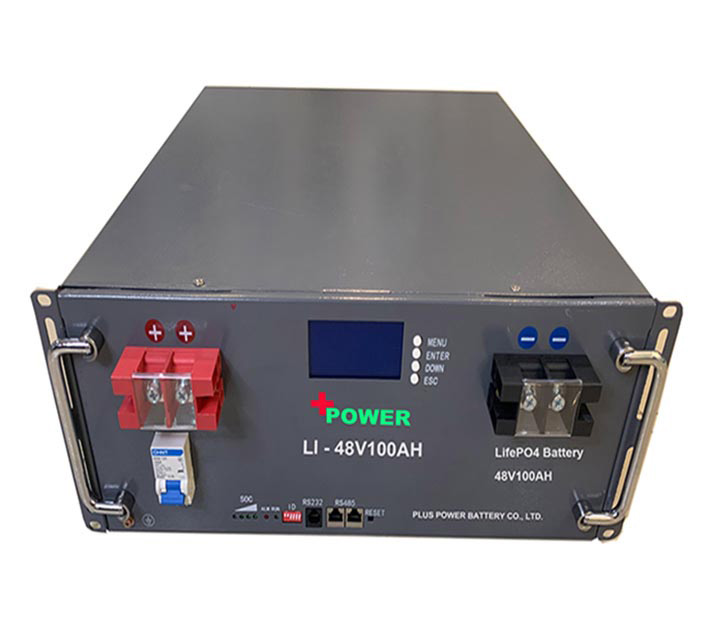
What’s a Lithium battery?
A lithium battery, also known as a lithium-ion battery (Li-ion), is a type of rechargeable battery that uses lithium as one of its main components. Lithium batteries have become popular in various electronic devices due to their high energy density, relatively lightweight, and ability to hold a charge for an extended period. They are commonly used in devices like smartphones, laptops, cameras, and electric vehicles, as well as in many other portable electronic gadgets.
Lithium batteries work based on the movement of lithium ions between the positive and negative electrodes within the battery. When the battery is charged, lithium ions are driven from the positive electrode (cathode) to the negative electrode (anode). When the battery is discharging to power a device, the lithium ions move in the opposite direction, from the anode to the cathode, releasing electrical energy that can be used to power the device.
One of the key advantages of lithium batteries is their ability to store a large amount of energy relative to their size and weight, making them an excellent choice for portable electronics and electric vehicles. They also have a longer lifespan and can withstand hundreds of charge-discharge cycles before their capacity significantly diminishes. However, they do require proper care and management to ensure their safe use, as mishandling or overcharging can result in safety hazards, such as overheating and, in extreme cases, fires or explosions.
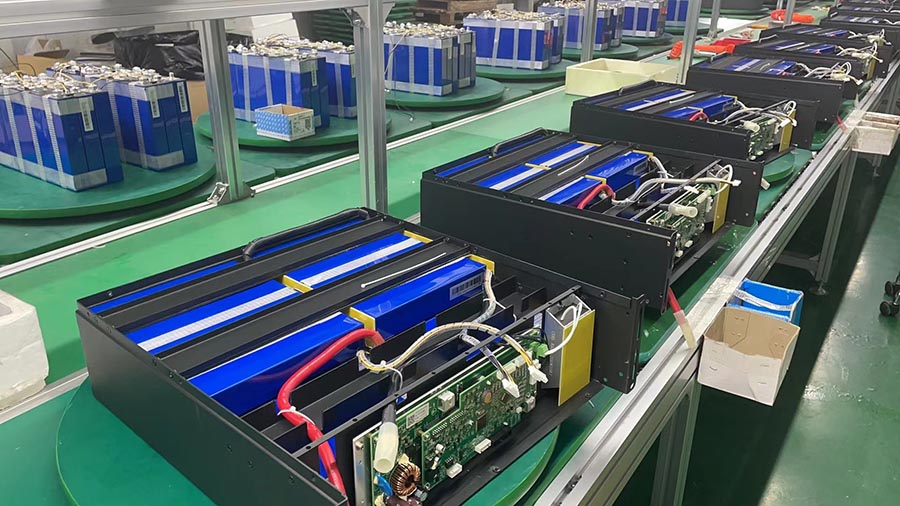
Lithium battery categories
Lithium batteries come in various categories and chemistries, each designed for specific applications and with different characteristics. Here are some common categories of lithium batteries:
Lithium-Ion (Li-ion) Batteries: These are the most common type of lithium batteries and are widely used in portable electronics like smartphones, laptops, and tablets. Li-ion batteries offer a good balance between energy density, capacity, and cycle life.
Lithium Polymer (LiPo) Batteries: LiPo batteries are a type of lithium-ion battery that uses a polymer electrolyte instead of a liquid electrolyte. They are commonly used in drones, radio-controlled devices, and some consumer electronics. LiPo batteries can be manufactured in various shapes and sizes.
Lithium Iron Phosphate (LiFePO4) Batteries: LiFePO4 batteries are known for their high energy density and long cycle life. They are often used in applications that require high durability, such as solar power systems, electric vehicles, and industrial equipment. LiFePO4 batteries are considered safer than some other lithium battery chemistries.
Lithium Manganese Oxide (LiMn2O4 or Li-Mn) Batteries: Li-Mn batteries offer good energy density and are commonly used in power tools, digital cameras, and medical devices. They are known for their thermal stability.
Lithium Nickel Cobalt Aluminum Oxide (Li-NCA) Batteries: These batteries have high energy density and are often used in electric vehicles and some high-performance laptops. They provide a balance between power output and capacity.
Lithium Nickel Manganese Cobalt Oxide (Li-NMC or NCM) Batteries: Li-NMC batteries are used in a wide range of applications, including laptops, electric bikes, and power banks. They offer a good balance between energy density and cost.
Lithium Cobalt Oxide (LiCoO2) Batteries: LiCoO2 batteries are commonly used in early-generation lithium-ion batteries. While they have high energy density, they are less common today due to safety concerns and the development of newer lithium-ion chemistries.
Lithium Sulfur (Li-S) Batteries: Li-S batteries are still in the research and development stage, with the potential to offer very high energy density. They may find applications in electric vehicles and grid energy storage in the future.
These are some of the major categories of lithium batteries, each with its own advantages and limitations. The choice of battery type depends on the specific requirements of the application, including factors like energy density, cycle life, safety, and cost.
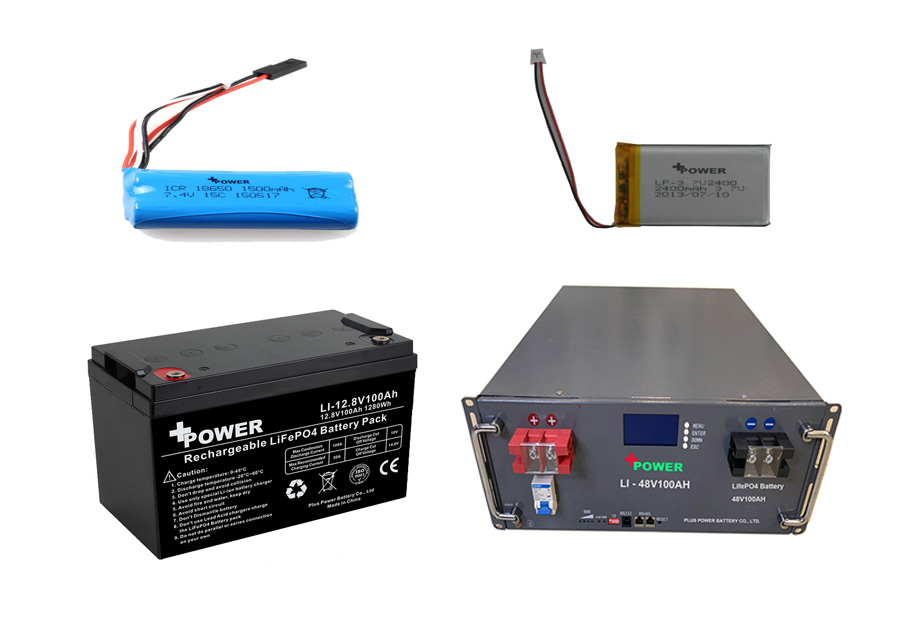
What are the applications for lithium batteries?
Lithium batteries are versatile and find a wide range of applications across various industries due to their high energy density, rechargeability, and relatively lightweight. Here are some common applications for lithium batteries:
Portable Electronics: Lithium batteries power a multitude of portable devices such as smartphones, laptops, tablets, digital cameras, and portable music players.
Electric Vehicles (EVs): Lithium batteries are the dominant energy storage technology in electric cars, electric scooters, and electric bicycles, offering the energy density needed for extended driving ranges.
Renewable Energy Storage: Lithium batteries are used in conjunction with solar panels and wind turbines to store excess energy for later use in homes, businesses, and power grids.
Power Tools: Cordless power tools, like drills and saws, often use lithium batteries for their high power-to-weight ratio and rechargeable nature.
Aerospace: Lithium batteries are used in spacecraft, satellites, and unmanned aerial vehicles (UAVs) due to their lightweight and reliable power source.
Medical Devices: Many medical devices, such as defibrillators, portable oxygen concentrators, and insulin pumps, rely on lithium batteries for their compact and long-lasting power.
Consumer Electronics: Beyond smartphones and laptops, lithium batteries are used in various consumer electronics like wireless headphones, e-readers, and remote controls.
Marine Applications: Lithium batteries can be found in marine applications, including electric boats, and as a power source for navigational and communication equipment on ships.
Gaming Devices: Portable gaming consoles and controllers frequently use lithium batteries for extended gameplay.
Wearable Technology: Smartwatches, fitness trackers, and other wearables are often powered by small lithium batteries.
Remote Sensors and IoT: Lithium batteries provide long-lasting power to remote sensors, data loggers, and devices in the Internet of Things (IoT) ecosystem.
Emergency Backup Power: They are used as backup power sources for critical systems like data centers and hospitals in case of power outages.
Uninterruptible Power Supplies (UPS): Lithium batteries are employed in UPS systems to provide temporary power during electricity interruptions.
Electric Grid Storage: Large-scale lithium battery systems are used to store excess electricity from power plants, especially renewable sources, for grid stabilization and peak load management.
Hybrid and Plug-In Hybrid Vehicles: These vehicles use a combination of lithium batteries and an internal combustion engine for improved fuel efficiency and reduced emissions.
Military Applications: Lithium batteries are used in military equipment, such as communication devices and drones.
Agricultural Machinery: Electric tractors, irrigation systems, and farm equipment benefit from lithium battery technology.
Electric Bicycles: E-bikes are powered by lithium batteries, providing pedal-assist or full electric propulsion.
Rescue and Search Equipment: Emergency responders use lithium batteries in searchlights, thermal imaging cameras, and other mission-critical equipment.
The versatility of lithium batteries makes them an integral part of modern life, from personal gadgets to the most advanced energy systems, transportation, and industrial applications. Their wide range of applications continues to expand as technology and energy storage needs evolve.
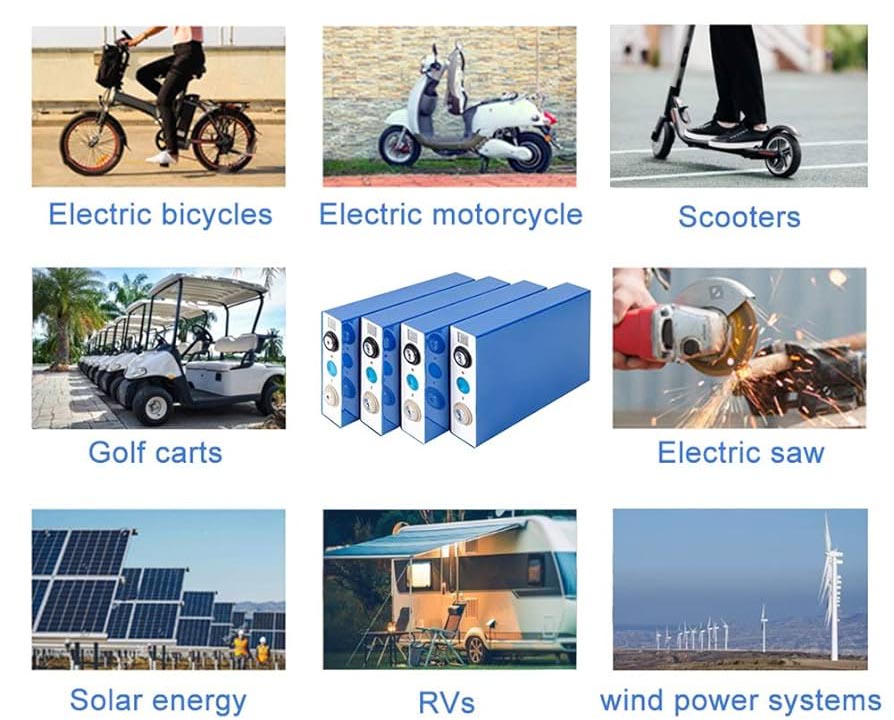
Which type of Lithium battery is popular in solar applications?
Lithium Iron Phosphate (LiFePO4) batteries are a popular choice for solar applications. These batteries are well-suited for use in solar energy systems due to their specific advantages:
Long Cycle Life: LiFePO4 batteries typically offer a longer cycle life compared to many other lithium-ion battery chemistries. They can withstand a high number of charge-discharge cycles, making them durable for solar applications.
Safety: LiFePO4 batteries are known for their excellent thermal stability and safety. They have a lower risk of overheating, thermal runaway, or fires compared to some other lithium-ion chemistries, which is essential for safety in solar energy systems.
Steady Voltage: LiFePO4 batteries provide a relatively flat discharge curve, which means that they maintain a stable output voltage over a wide range of the state of charge. This makes them well-suited for applications like inverters used in solar systems.
High Discharge Current: LiFePO4 batteries can deliver high discharge currents, which is beneficial for handling the power demands of solar inverters and other equipment.
Low Self-Discharge: These batteries have a lower self-discharge rate compared to some other lithium-ion batteries, which is important for maintaining energy storage over time.
Environmental Considerations: LiFePO4 batteries are considered more environmentally friendly than some other lithium-ion chemistries because they contain no hazardous materials like cobalt or nickel.
For these reasons, LiFePO4 batteries have gained popularity in solar applications, particularly for off-grid or grid-tied systems, where energy storage is crucial to balance the intermittent nature of solar power generation. They are commonly used for residential solar energy storage, as well as in larger commercial and industrial solar installations.
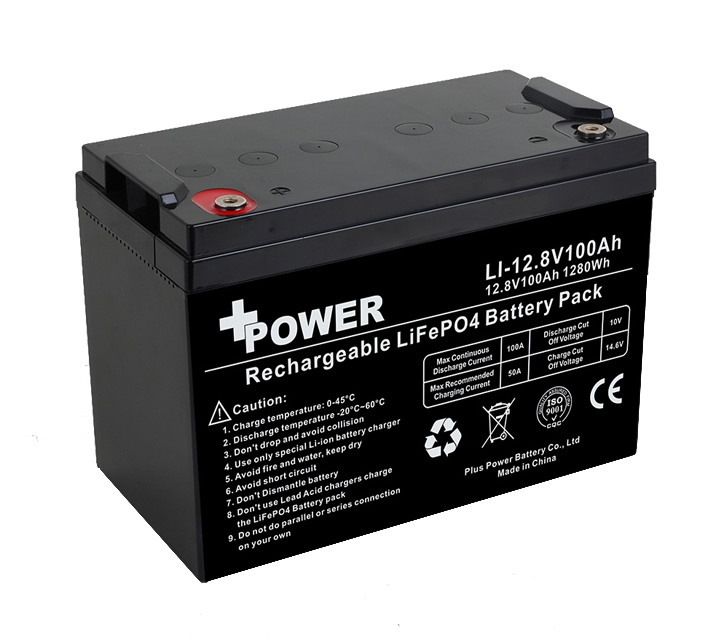
How to find a high-quality lifePO4 battery manufacturer in China
Finding a high-quality Lithium Iron Phosphate (LiFePO4) battery manufacturer in China requires careful research and due diligence. Here are some steps you can follow to identify a reputable manufacturer:
Research Online: Start your search by using search engines and online business directories to find LiFePO4 battery manufacturers in China. Make a list of potential companies.
Check Company Websites: Visit the websites of the manufacturers on your list. Look for information about their history, products, certifications, and quality control processes.
Certifications: Verify that the manufacturer complies with international quality and safety standards. Look for certifications like ISO 9001, ISO 14001, ISO 45001, and CE (for European markets) as indicators of quality.
Product Range: Ensure that the manufacturer offers the specific type and size of LiFePO4 batteries you need for your application. Check for their experience in producing batteries for your industry or use case.
Quality Control: Inquire about their quality control processes. A reputable manufacturer should have stringent quality control measures in place to ensure the consistent performance and safety of their batteries.
Customer References: Ask for references or case studies from other clients who have used their batteries. Contact these clients to get feedback on their experiences.
Production Capacity: Assess the manufacturer’s production capacity to ensure they can meet your quantity requirements and provide consistent supply.
Location and Facility: Consider visiting the manufacturer’s facility if possible. A well-organized and clean production facility can be an indicator of quality.
Sample Testing: Request sample batteries for testing and evaluation. This will help you assess the battery’s performance, safety, and compatibility with your application.
Communication: Engage in open and clear communication with the manufacturer. Ask questions about their processes, technology, and after-sales support.
Cost and Pricing: Compare pricing with other manufacturers, but keep in mind that extremely low prices can be a red flag for poor quality. Balance cost with quality.
Warranty: Inquire about the warranty and return policies. A manufacturer that offers a substantial warranty is usually more confident in the quality of their products.
Shipping and Logistics: Check the manufacturer’s ability to handle shipping and logistics, especially if you are importing the batteries.
Language and Cultural Differences: Be prepared for potential language and cultural differences when dealing with Chinese manufacturers. Ensure that there is clear communication to avoid misunderstandings.
Local Agents or Inspectors: Consider hiring a local agent or inspector in China who can visit the manufacturer’s facility and provide you with an unbiased assessment.
Legal and Contractual Aspects: Work with a legal advisor to draft clear contracts that protect your interests and outline quality standards, delivery schedules, and payment terms.
Market Reputation: Check for online reviews and references from industry associations or trade organizations to gauge the manufacturer’s reputation in the market.
Finding a reliable LiFePO4 battery manufacturer in China may take some time, but thorough research and a cautious approach can help you identify a reputable supplier that meets your specific requirements and quality standards.
Why choose Plus Power as a LifePO4 battery supplier
When choosing a LiFePO4 battery supplier, it’s essential to consider various factors to ensure they meet your specific requirements. Here are reasons why you should choose Plus Power as your LifePO4 battery supplier:
Product Quality: Plus Power produces high-quality LiFePO4 batteries that meet your performance and safety standards. our technical specifications and test data strictly abide by the international quality standard.
Certifications: Plus Power holds relevant certifications and complies with industry standards and safety regulations. Certifications like ISO, CE, and UN38.3 can be indicators of product quality.
Reputation: Plus Power has a good reputation in the industry. Our customers leave perfect reviews, testimonials, and records of delivering reliable products.
Customization: Plus Power customizes LiFePO4 batteries to meet customers’ specific requirements in terms of size, capacity, and voltage.
Production Capacity: Plus Power can meet your production quantity and timeline needs. we have adequate production capacity and a consistent supply chain.
Quality Control: Plus Power’s quality control processes, including testing, inspection, and quality assurance measures implemented during manufacturing, seriously check every battery to ensure 100% passed before packing.
Support and Services: When technical support and assistance are needed, Plus Power provides thoughtful customer support and after-sales services.
Cost and Pricing: Plus Power supplies high-quality batteries at moderate prices in the market (unusually low prices can be an indicator of subpar quality).
Environmental Responsibility: Plus Power always persists in its commitment to environmental sustainability and eco-friendly practices.
Logistics and Shipping: Plus Power handles shipping and logistics efficiently, and our forwarders can arrange the shipment of dangerous batteries.
Warranty and Return Policy: Plus Power offers substantial warranty and return policies, and we are very confident in our product’s quality.
Legal and Contractual Aspects: Plus Power works with a legal advisor to draft clear contracts that protect buyer and seller’s interests and outline quality standards, delivery schedules, and payment terms.
Communication: Effective and transparent communication is crucial. Plus Power always keeps clear and open communication with the customer to avoid misunderstandings.