














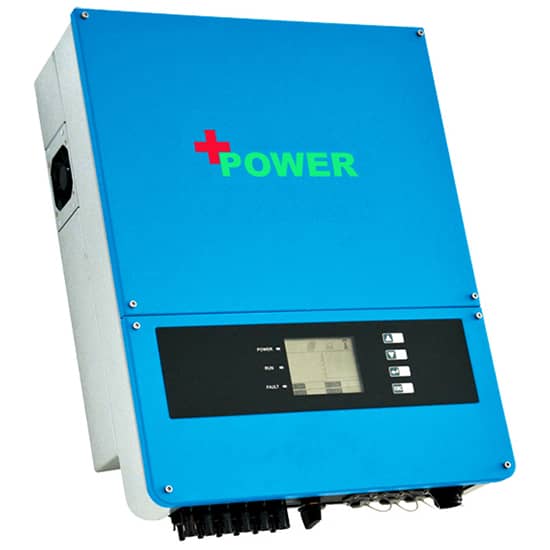
What’s a solar inverter
A solar inverter is a crucial component in a solar power system. Its primary function is to convert the direct current (DC) electricity generated by solar panels into alternating current (AC) electricity that can be used to power homes, businesses, and the electrical grid.
Here are some key points about solar inverters:
DC to AC Conversion: Solar panels produce electricity in the form of direct current (DC). However, most of the appliances and electrical devices in our homes and businesses run on alternating current (AC). A solar inverter takes the DC electricity generated by the solar panels and converts it into AC electricity, which is compatible with the electrical grid and can be used to power your appliances.
Inverter Types: There are several types of solar inverters, including string inverters, microinverters, and power optimizers. Each type has its own advantages and is used in different applications. For example, string inverters are commonly used in residential systems, while microinverters and power optimizers are more suitable for complex or shaded installations.
Efficiency: The efficiency of a solar inverter is an important factor to consider. Higher efficiency inverters can convert a larger percentage of the DC electricity into usable AC electricity, minimizing energy loss in the conversion process.
Monitoring and Control: Many modern solar inverters come with built-in monitoring and control features. These allow you to track the performance of your solar panels and the inverter, helping you to optimize energy production and detect issues promptly.
Grid-Tie Inverters: Most solar installations are grid-tied, meaning they are connected to the utility grid. Grid-tie inverters synchronize the solar power output with the grid’s electricity supply. They can also feed excess electricity back into the grid, earning homeowners credits or compensation in net metering arrangements.
Off-Grid Inverters: In off-grid or stand-alone solar systems, solar inverters are used to create a stable AC power supply from the DC energy generated by solar panels. These inverters are often accompanied by energy storage solutions like batteries to store excess energy for use when the sun is not shining.
Hybrid Inverters: Hybrid inverters are used in solar-plus-storage systems. They can manage both the solar panels and a battery storage system, allowing for energy storage and consumption during non-sunny periods.
Solar inverters play a vital role in the efficiency and functionality of solar power systems, ensuring that the electricity generated by solar panels can be utilized in homes, businesses, and the grid. The type of solar inverter chosen depends on the specific requirements of the solar installation and the desired performance characteristics.
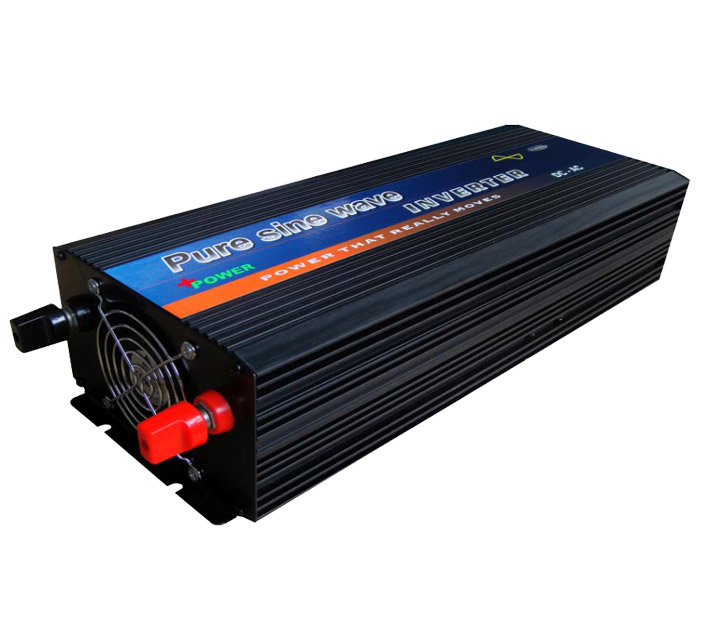
Solar inverters categories
Solar inverters come in various categories, each designed for specific applications and system configurations. Here are the primary categories of solar inverters:
String Inverters (Central Inverters): String inverters are the most common type used in residential and commercial solar installations. They are designed to connect multiple solar panels in series (a “string”) and convert the DC power generated by these strings into AC power. String inverters are cost-effective, but their performance can be affected if one panel is shaded or malfunctions.
Microinverters: Microinverters are installed on each individual solar panel, converting DC power into AC power at the panel level. They offer advantages such as improved energy harvest and the ability to mitigate shading issues. Each panel operates independently, which can enhance system reliability.
Power Optimizers: Power optimizers are similar to microinverters in that they are installed at the panel level. However, they do not directly convert DC to AC. Instead, they optimize the DC power output of each panel before sending it to a central inverter. This approach combines the advantages of panel-level optimization with the cost-effectiveness of central inverters.
Battery Inverters: Battery inverters are designed for systems that incorporate energy storage solutions, such as solar batteries. They manage the charge and discharge of the battery, ensuring that stored energy is used efficiently and can be integrated with the grid or an off-grid system.
Grid-Tie Inverters: These inverters are used in grid-connected solar systems. They synchronize the solar power output with the grid’s electricity supply, maintaining the correct voltage and frequency. Grid-tie inverters can feed excess energy back into the grid, enabling homeowners to benefit from net metering or other grid-feeding programs.
Off-Grid Inverters (Stand-Alone Inverters): Off-grid inverters are used in standalone solar systems that are not connected to the grid. They convert DC power from solar panels into stable AC power for use in homes, cabins, or remote locations. These systems often include batteries for energy storage.
Hybrid Inverters: Hybrid inverters are used in solar-plus-storage systems. They manage both the solar panels and a battery storage system, allowing for energy storage and consumption during periods of low solar production. They can also provide backup power during grid outages.
Three-Phase Inverters: Three-phase inverters are designed for larger commercial or industrial solar installations that require a three-phase AC supply. They can efficiently convert the DC power generated by solar panels into three-phase AC power, suitable for industrial equipment and machinery.
Multi-Mode Inverters: Multi-mode inverters are versatile inverters that can operate in grid-tie, off-grid, and hybrid modes. They are commonly used in areas with unreliable grid connections or in systems where both grid connection and off-grid capabilities are needed.
The choice of solar inverter category depends on the specific requirements of your solar installation, including system size, shading conditions, budget, and the need for energy storage or grid connection. Each category has its own advantages and limitations, so it’s important to select the right type based on your project’s unique needs.
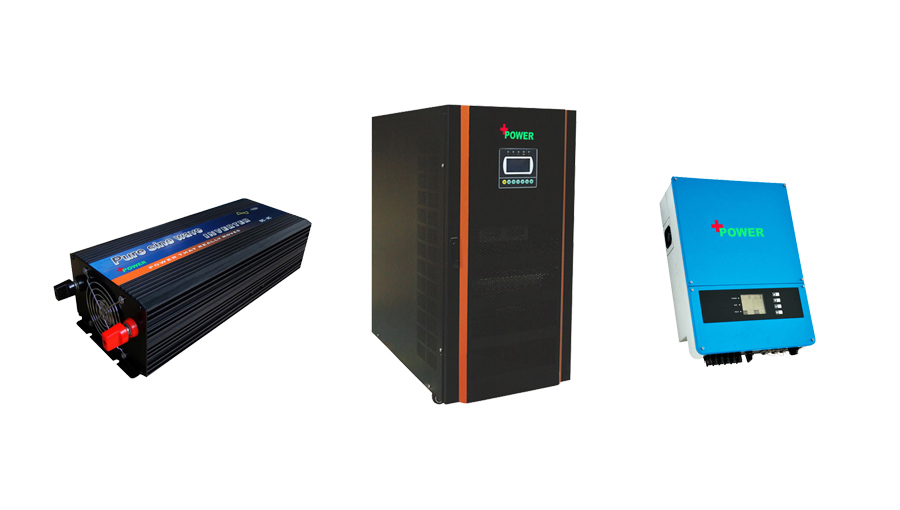
How to choose a suitable solar inverter for your solar system
Choosing a suitable solar inverter for your solar system is a crucial decision, as it can impact the performance, efficiency, and overall success of your solar installation. Here are the steps to help you select the right solar inverter for your specific needs:
Determine System Type:
First, decide on the type of solar system you’re installing. Is it a grid-tied system, an off-grid system, or a hybrid system with energy storage? The type of system will significantly influence your inverter choice.
Calculate Solar Array Size:
Determine the total capacity of your solar array in kilowatts (kW) or kilowatt-hours (kWh). This will help you select an inverter that can handle the power output of your panels.
Consider Shading and Panel Orientation:
Evaluate your location and the shading conditions that your solar panels may face throughout the day. If shading is a concern, you might consider microinverters or power optimizers, which can help mitigate the impact of shading on system performance.
Efficiency Needs:
Consider the efficiency of the inverter. A more efficient inverter will convert a higher percentage of the energy generated by your solar panels into usable electricity. Look for high efficiency, especially if you have limited roof space or high electricity costs.
Inverter Type:
Decide on the type of inverter that best suits your needs. Options include string inverters, microinverters, power optimizers, or hybrid inverters for solar-plus-storage systems. Each type has its own advantages and disadvantages.
Inverter Capacity and Voltage:
Ensure that the inverter’s capacity (in kW) matches or slightly exceeds the total capacity of your solar array. Also, make sure that the inverter’s voltage range is compatible with your solar panel configuration.
Brand and Manufacturer:
Research reputable inverter manufacturers and brands. Choose one with a track record of reliability and quality customer support.
Warranty and Lifespan:
Check the warranty offered by the inverter manufacturer. Most inverters come with a standard warranty of 5 to 10 years, but some offer extended warranties. Consider the expected lifespan of the inverter as well.
Monitoring and Control:
Consider whether the inverter offers monitoring and control capabilities. Some inverters come with built-in monitoring systems, while others can be integrated with third-party monitoring solutions. Monitoring helps you keep track of your system’s performance.
Budget:
Determine your budget for the inverter. While it’s essential to consider cost, don’t compromise on quality and performance to save money. A higher-quality inverter can pay for itself through improved energy production.
Local Regulations and Grid Requirements:
Ensure that the inverter you choose complies with local regulations and grid connection requirements. Some areas have specific standards for grid-tied solar systems.
Installation and Maintenance:
Consider the ease of installation and maintenance. Some inverters may require more complex installation procedures, while others are designed for ease of use and maintenance.
Consult with a Professional:
If you’re unsure about the best inverter for your specific circumstances, it’s advisable to consult with a solar professional or installer. They can provide expert guidance based on your location and energy needs.
By following these steps and carefully considering your unique requirements and circumstances, you can choose a suitable solar inverter that maximizes the benefits of your solar energy system.
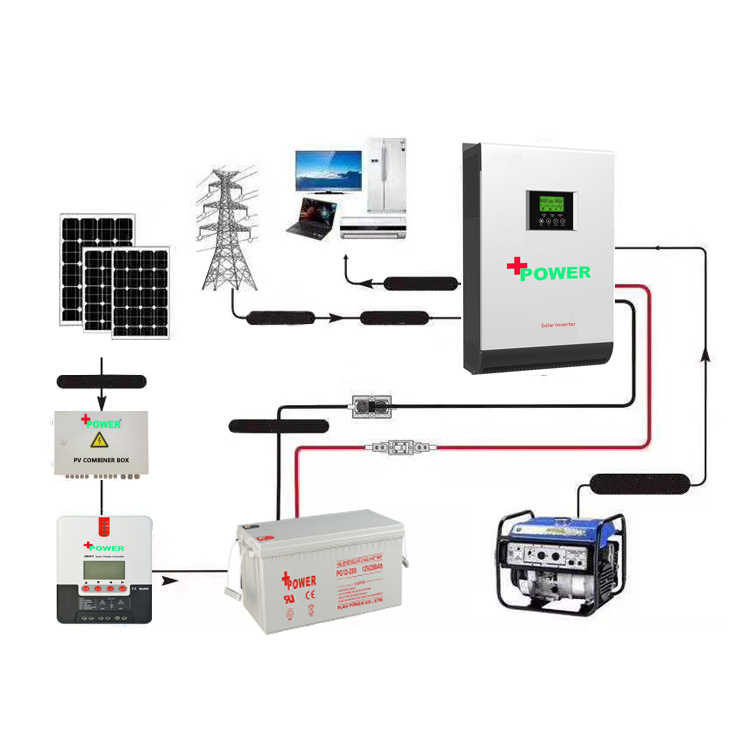
How to find a good solar inverter factory in China?
Finding a good solar inverter factory in China involves research, due diligence, and careful consideration of various factors. Here are steps to help you identify a reputable solar inverter manufacturer in China:
Online Research:
Start by conducting online research. Look for solar inverter manufacturers based in China. You can use search engines, business directories, and industry-specific websites to compile a list of potential manufacturers.
Check Manufacturer Directories:
Explore industry directories and databases, such as the China Photovoltaic Industry Association (CPIA) or other solar industry associations. These directories often provide information about reputable manufacturers.
Industry Associations and Trade Shows:
Consider attending solar industry trade shows and exhibitions in China or international events where Chinese manufacturers exhibit their products. These events can be a great way to meet manufacturers and assess their offerings.
Online Reviews and Forums:
Look for online reviews and forums related to solar inverters. Customer feedback and reviews can provide insights into the performance and reliability of products from specific manufacturers.
Manufacturer Websites:
Visit the official websites of potential manufacturers. Examine their product offerings, certifications, warranty terms, and company history. Look for established manufacturers with a strong track record.
Certifications and Compliance:
Verify that the manufacturer’s products meet international standards and certifications, such as those set by the International Electrotechnical Commission (IEC), Underwriters Laboratories (UL), and local regulatory authorities.
Contact Manufacturers:
Reach out to the manufacturers on your list. Inquire about their product range, manufacturing capabilities, quality control processes, and pricing. Ask for product datasheets and technical specifications.
Request References:
Ask the manufacturers for references from previous customers or partners. Contact these references to gain insight into their experiences with the manufacturer’s products and services.
Factory Visits:
If possible, consider visiting the manufacturing facilities of shortlisted manufacturers. This allows you to assess their production processes, quality control, and overall capabilities.
Quality Control and Testing:
Inquire about the manufacturer’s quality control procedures and testing protocols. Ensure that their products undergo rigorous testing to meet industry standards.
Warranty and Support:
Review the warranty offered by the manufacturer. A reputable manufacturer should offer a comprehensive warranty, and they should provide reliable customer support in case of issues.
Scalability and Production Capacity:
Assess the manufacturer’s ability to scale production to meet your specific needs. Ensure that they have the capacity to supply the required quantity of inverters.
Cost Considerations:
While cost is a factor, it shouldn’t be the sole determinant. Balancing quality and price is essential. A very low price may raise concerns about the quality and reliability of the products.
Legal and Contractual Matters:
When considering a partnership, review and understand the contractual terms and agreements, including payment terms, delivery schedules, and intellectual property rights.
Due Diligence:
Conduct due diligence on the manufacturer’s financial stability, reputation, and legal standing. This can help ensure a stable and reliable business partnership.
Consult with Experts:
Seek advice from experts in the solar industry or consider hiring a solar consultant who can guide you in selecting a suitable manufacturer.
By following these steps and thoroughly researching potential solar inverter manufacturers in China, you can increase the likelihood of finding a reliable and reputable factory to meet your specific needs. It’s important to take the time to make an informed decision to ensure the success of your solar projects.
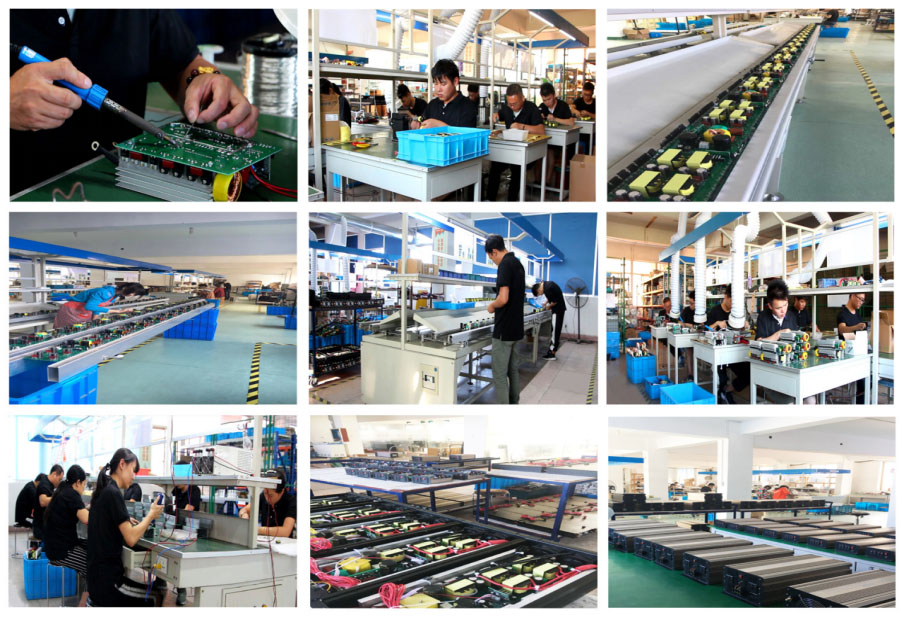
Why choose Plus Power as your solar inverter supplier?
Choosing Plus Power as your solar inverter supplier offers several compelling advantages:
High-Quality Products: Plus Power is known for manufacturing top-quality solar inverters that are designed to perform efficiently and reliably. Their products are built to last, ensuring that your solar system will provide long-term benefits.
Cutting-Edge Technology: Plus Power invests in research and development to stay at the forefront of solar inverter technology. Their inverters are equipped with the latest advancements, improving energy conversion and system monitoring capabilities.
Reliability: Reliability is crucial in the solar energy industry, and Plus Power understands this. Their inverters are tested rigorously to ensure they can withstand various weather conditions and operate consistently over the years.
Efficiency: Plus Power inverters are highly efficient, maximizing the energy output from your solar panels. This means more energy savings for you and a quicker return on your investment.
User-Friendly Monitoring: Plus Power offers user-friendly monitoring systems that allow you to keep a close eye on your solar system’s performance. This real-time data helps you optimize energy production and troubleshoot any issues quickly.
Exceptional Warranty: Plus Power stands behind its products with a comprehensive warranty. This gives you peace of mind, knowing that you’re protected in case of any unforeseen issues.
Cost-Effective Solutions: Plus Power offers cost-effective options for various solar system sizes and configurations. They can provide solutions that match your specific needs and budget.
Environmental Commitment: Plus Power is committed to sustainability and reducing the carbon footprint. By choosing their solar inverters, you contribute to a cleaner environment and reduce your reliance on fossil fuels.
Technical Support: Plus Power provides excellent technical support, ensuring that you have access to assistance and guidance when needed. Their customer service team is knowledgeable and responsive.
Proven Track Record: Plus Power has a strong track record of successful installations and satisfied customers. You can trust their experience and reputation in the solar industry.
In conclusion, choosing Plus Power as your solar inverter supplier means investing in high-quality, efficient, and reliable products, backed by excellent technical support and a commitment to sustainability. With Plus Power, you can be confident in the performance and longevity of your solar energy system.