













What’s a solar controller?
A solar controller, also known as a solar charge controller or charge regulator, is a device used in solar power systems to regulate the charging process of batteries. It is placed between the solar panels and the batteries to ensure that the batteries are not overcharged or damaged.
The solar controller monitors the voltage and current from the solar panels and adjusts the charging parameters accordingly. It controls the flow of electricity from the solar panels to the batteries and prevents excessive charging, which can cause the batteries to overheat or reduce their lifespan.
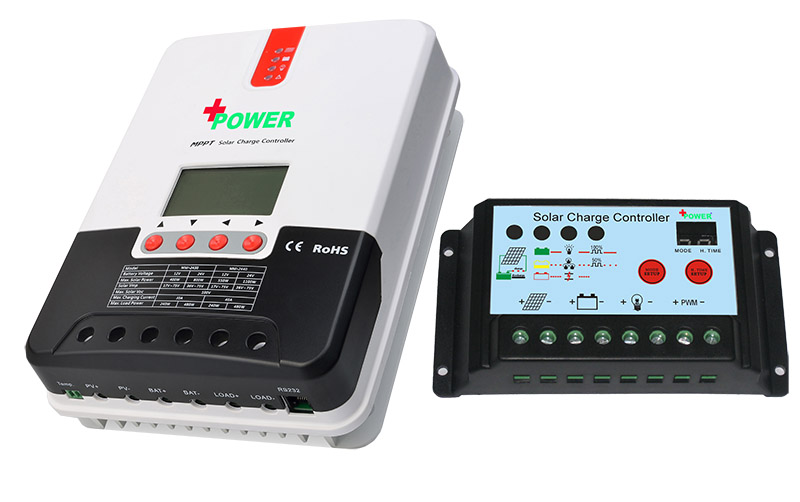
Solar controllers come in different types, including PWM (Pulse Width Modulation) and MPPT (Maximum Power Point Tracking). PWM controllers are more basic and economical, while MPPT controllers are more efficient and can harvest maximum power from solar panels.
Overall, a solar controller plays a crucial role in optimizing the performance and protecting the batteries in a solar power system.
The solar controller categories
There are several categories of solar controllers, including:
PWM (Pulse Width Modulation) Solar Controllers: These controllers are the most basic type and are suitable for small solar systems. They regulate the charging of the battery by rapidly switching the solar panel’s current on and off.
MPPT (Maximum Power Point Tracking) Solar Controllers: MPPT controllers are more advanced and efficient than PWM controllers. They track the maximum power point of the solar panel and adjust the charging parameters accordingly, maximizing the energy harvested from the solar panel.
Solar Charge Controllers with LCD Display: These controllers have an LCD display that provides real-time information about the solar system’s performance, such as battery voltage, charging current, and solar panel output.
Dual Battery Solar Controllers: These controllers are designed to charge and manage two separate battery banks simultaneously. They are commonly used in RVs, boats, and other applications where multiple battery banks are required.
Solar Controllers with USB Ports: Some solar controllers come with built-in USB ports, allowing you to directly charge your electronic devices using solar power.
Solar Controllers with Wi-Fi or Bluetooth Connectivity: These controllers can be connected to a smartphone or computer via Wi-Fi or Bluetooth, allowing you to monitor and control your solar system remotely.
Solar Controllers with Load Control: These controllers have an additional load output that can be used to power DC loads directly, such as lights or small appliances.
These are just a few examples of the different categories of solar controllers available in the market. The choice of controller depends on the specific requirements of your solar system and the features you need.
PWM vs MPPT solar controller, advantages and disadvantages?
PWM (Pulse Width Modulation) and MPPT (Maximum Power Point Tracking) are two different types of solar controllers used in photovoltaic (PV) systems to regulate and optimize the charging of batteries from solar panels.
Advantages of PWM solar controllers:
1. Simplicity: PWM controllers are simpler and less expensive compared to MPPT controllers. They are easier to understand and operate.
2. Cost-effective: PWM controllers are generally more affordable, making them a popular choice for smaller PV systems with lower power requirements.
3. Compatibility: PWM controllers work well with small and basic PV systems, making them suitable for smaller installations such as off-grid cabins, boats, or camping setups.
4. Efficient charging for small loads: PWM controllers can efficiently charge batteries with smaller loads, making them suitable for applications with low power consumption.
Disadvantages of PWM solar controllers:
1. Lower efficiency: PWM controllers do not provide the same level of efficiency as MPPT controllers. They are not able to track the maximum power point of solar panels, resulting in lower charging efficiency.
2. Limited functionality: PWM controllers have limited features and capabilities compared to MPPT controllers. They lack advanced functions such as data logging, communication interfaces, and remote monitoring.
3. Voltage drop: PWM solar controllers can experience voltage drop issues, especially when the solar panel voltage is significantly higher than the battery voltage.
4. Energy wastage: PWM controllers convert excess solar energy into heat, which is dissipated, resulting in energy wastage.
Advantages of MPPT solar controllers:
1. Higher efficiency: MPPT controllers can track the maximum power point of solar panels, allowing them to efficiently convert and transfer more solar energy to the batteries.
2. Increased charging capacity: MPPT controllers can handle higher power inputs, making them suitable for larger PV systems with higher energy demands.
3. Flexibility: MPPT controllers have adjustable voltage and current settings, allowing them to work with various solar panel configurations and batteries.
4. Additional features: MPPT controllers often come with advanced features such as data logging, remote monitoring, and communication interfaces, enabling better system monitoring and control.
Disadvantages of MPPT solar controllers:
1. Higher cost: MPPT controllers tend to be more expensive compared to PWM controllers, making them less cost-effective for smaller PV systems.
2. Complexity: MPPT controllers are more complex to install and configure due to their advanced features and functionality.
3. Greater power consumption: MPPT controllers consume more power internally compared to PWM controllers, reducing the overall system efficiency slightly.
4. Compatibility issues: MPPT controllers may not be compatible with certain solar panel types or configurations, requiring additional adjustments or components for proper integration.
How to find a good solar controller in China
To find a good solar controller in China, you can follow these steps:
Research online: Start by searching for solar controller manufacturers and suppliers in China. Look for reputable companies that have a good track record and positive customer reviews.
Check online marketplaces: Visit popular online marketplace platforms that have a wide range of solar controller options from different manufacturers. Read product descriptions, specifications, and customer reviews to assess the quality and reliability of the controllers.
Verify certifications: Look for solar controllers that have relevant certifications such as CE, RoHS, and ISO. These certifications ensure that the product meets international quality and safety standards.
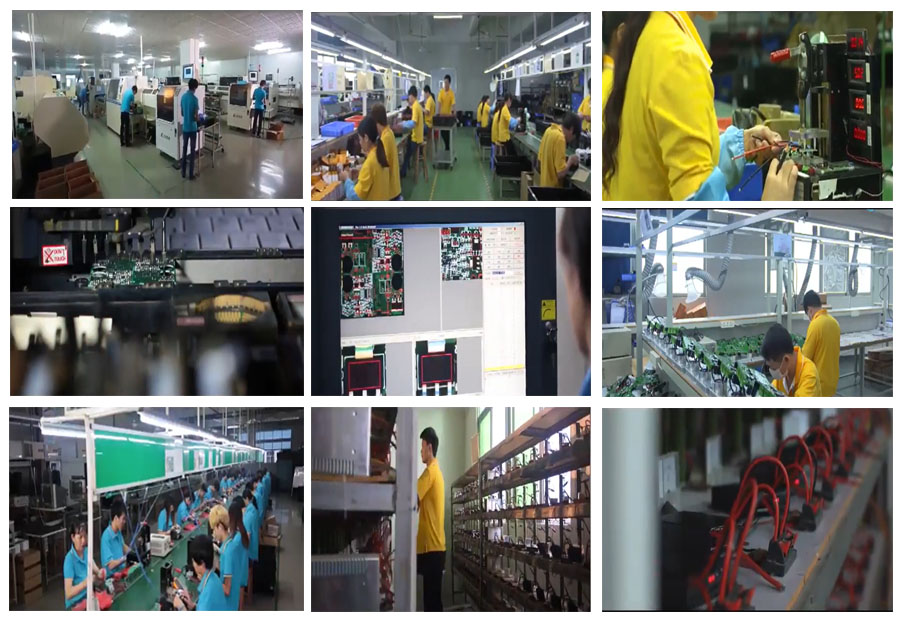
Contact manufacturers: Once you have shortlisted a few solar controller options, reach out to the manufacturers directly. Ask for more information about the product, including technical specifications, warranty, and after-sales support. You can also request samples to test the performance and quality of the controllers.
Compare prices: Compare the prices of different solar controllers from various manufacturers. Keep in mind that the cheapest option may not always be the best in terms of quality and reliability. Consider the overall value for money, including the product’s features, durability, and customer support.
Consider customization options: If you have specific requirements or need a customized solar controller, inquire about the manufacturer’s ability to provide tailored solutions. Some manufacturers offer customization services to meet unique project needs.
Check for local support: Ensure that the manufacturer or supplier has a local presence or support network in China. This will be helpful in case you need assistance with installation, troubleshooting, or warranty claims.
Place an order: Once you have thoroughly evaluated the options and selected a reliable solar controller, place an order with the manufacturer or supplier. Make sure to clarify the payment terms, shipping arrangements, and any other relevant details before finalizing the purchase.
Remember to do thorough research, compare options, and choose a reputable manufacturer or supplier to ensure you find a good solar controller in China.
Why choose the Plus Power solar controller?
There are several reasons why you might choose the Plus Power solar controller:
Efficiency: Plus Power solar controllers are designed to maximize the efficiency of your solar power system. They use advanced technology to ensure that the maximum amount of power is extracted from your solar panels and delivered to your batteries.
Protection: Plus Power solar controllers provide protection for your batteries and other components of your solar power system. They have built-in features such as overcharge protection, over-discharge protection, and short circuit protection to ensure the longevity and safety of your system.
User-friendly: Plus Power solar controllers are designed to be easy to use and install. They come with clear instructions and intuitive interfaces, making it simple for anyone to set up and operate their solar power system.
Durability: Plus Power solar controllers are built to withstand harsh environmental conditions. They are made with high-quality materials that are resistant to corrosion, moisture, and extreme temperatures, ensuring that they will last for a long time.
Flexibility: Plus Power solar controllers are compatible with a wide range of solar panels and battery types. This means that you can easily integrate them into your existing solar power system or customize your system to meet your specific needs.
Overall, Plus Power solar controllers offer a reliable and efficient solution for managing and optimizing your solar power system.