














What’s a hybrid solar system?
A hybrid solar system combines solar power with another source of energy, typically a backup power system like batteries or a generator. This setup allows for a more consistent electricity supply, as the system can store excess solar energy for use when the sun isn’t shining. It’s a way to maximize the benefits of solar energy while ensuring reliable power availability, especially during times of low sunlight or at night.
Hybrid solar system categories
Hybrid solar systems can be categorized based on how they integrate different energy sources. Here are a few common categories:
Grid-Tied with Battery Backup: These systems are connected to the grid but also have a battery backup. Excess solar power is used to charge the batteries, which can then be utilized during power outages or when solar energy production is low.
Off-Grid Hybrid Systems: These systems are entirely independent of the grid. They combine solar panels with batteries and often include a backup generator for periods when solar energy and stored battery power are insufficient.
Hybrid Systems with Wind or Other Energy Sources: Some hybrid systems combine solar with other renewable sources like wind turbines. These systems harness multiple renewable energy types to maximize power generation and storage.
AC-Coupled Hybrid Systems: In these setups, solar panels are connected to an inverter that converts the generated DC electricity into AC power. This AC power can be used by the household and stored in batteries. It allows for more flexibility in integrating different energy sources.
Each category offers specific advantages and considerations depending on factors like location, energy needs, and the reliability of the grid infrastructure.

The components of a hybrid solar system
A hybrid solar system comprises several key components to effectively generate, store, and manage electricity. Here are the primary components:
Solar Panels (Photovoltaic Modules): These panels capture sunlight and convert it into DC electricity.
Inverter: Converts the DC electricity produced by the solar panels into usable AC electricity for household appliances. In hybrid systems, there might be separate inverters for solar panels and other energy sources.
Battery Bank: Stores excess electricity generated by the solar panels for later use, especially during times when solar production is low (at night or during cloudy weather).
Charge Controller: Regulates the flow of electricity from the solar panels to the batteries to prevent overcharging and damage.
Backup Power Source (Optional): In some hybrid systems, a backup power source like a generator or wind turbine is integrated to provide electricity when solar power and stored energy aren’t sufficient.
Monitoring System: Monitors the performance of the solar panels, batteries, and overall system to optimize efficiency and identify any issues.
Grid Connection (for grid-tied systems): Allows the system to connect to the utility grid, enabling the exchange of excess power produced by the solar panels and accessing electricity from the grid when needed.
These components work together to harness solar energy, store it efficiently, and ensure a steady supply of electricity to meet household or business energy needs.
Why buy hybrid solar systems in China
Buying hybrid solar systems in China can be advantageous for several reasons:
Market Availability: China is a major producer and supplier of solar panels and related components. Access to a wide range of high-quality solar products and technology is readily available in the Chinese market.
Cost-Effectiveness: The scale of production in China often leads to cost advantages. Many solar products, including panels, batteries, and inverters, maybe more competitively priced compared to other markets.
Technological Innovation: China has been investing heavily in renewable energy technologies. This focus on innovation means that cutting-edge hybrid solar systems and components may be more readily accessible in the Chinese market.
Government Support: China has implemented various policies and incentives to encourage the adoption of renewable energy, including solar power. This support may come in the form of subsidies, tax incentives, or favorable regulations, making it more appealing to invest in hybrid solar systems.
Quality Assurance: While it’s essential to verify the quality of products regardless of the origin, many reputable manufacturers in China adhere to international quality standards. This can provide buyers with access to reliable and certified solar equipment.
Economic Scale: China’s position as a global manufacturing hub means a wide selection of hybrid solar system components is available, allowing for flexibility in system customization based on specific needs and preferences.
These factors collectively make China a prominent destination for purchasing hybrid solar systems, offering a combination of technological advancements, cost-effectiveness, and a robust market presence in the renewable energy sector.
How to find a good hybrid solar system manufacturer in China
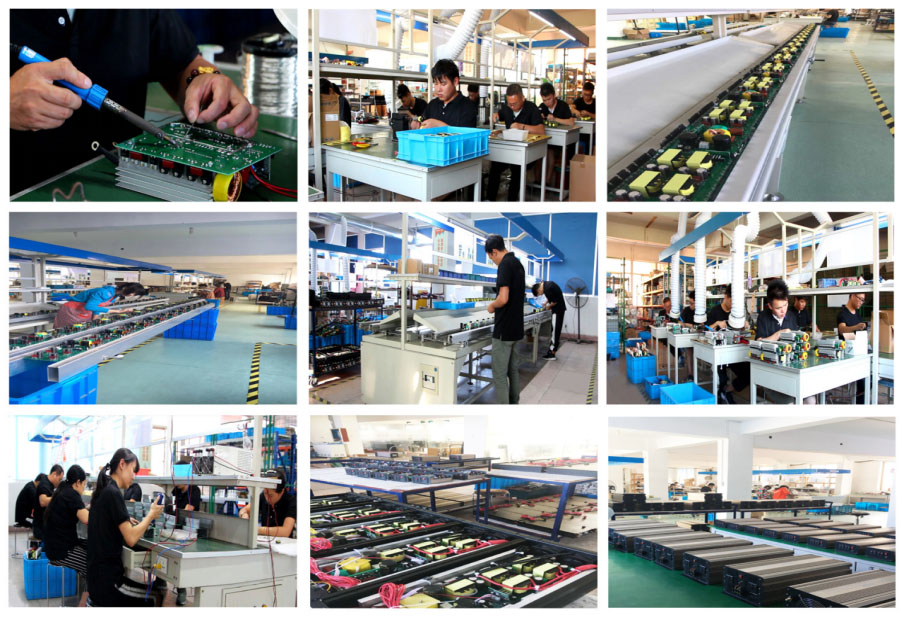
Finding a reliable hybrid solar system manufacturer in China involves several steps to ensure you’re dealing with a reputable and quality-focused company:
Research and Referrals: Start by researching manufacturers online. Look for companies with a strong online presence, positive customer reviews, and a history of delivering quality products. Seek referrals from industry professionals or contacts who have experience with solar systems.
Certifications and Standards: Check if the manufacturer holds relevant certifications like ISO, TUV, or CE, ensuring their adherence to international quality standards. These certifications indicate a commitment to quality and reliability.
Product Range and Specialization: Assess the manufacturer’s product range and specialization in hybrid solar systems. A company that focuses specifically on solar products or hybrid systems is likely to have more expertise and dedicated resources.
Quality of Components: Inquire about the quality of components used in their systems, such as solar panels, inverters, batteries, and other essential parts. Ensure they source reputable and durable components.
Technical Support and Warranty: Look for manufacturers that offer comprehensive technical support, installation guidance, and after-sales service. A strong warranty on their products demonstrates confidence in their quality.
Visit or Contact Directly: If feasible, visit the manufacturer’s facilities or communicate directly with their sales or support team. This can provide insights into their operations, manufacturing processes, and customer service approach.
Compliance with Regulations: Ensure the manufacturer complies with local and international regulations regarding manufacturing practices, environmental standards, and safety protocols.
Communication and Transparency: A good manufacturer maintains clear communication, provides detailed information about their products, and is transparent about pricing, specifications, and timelines.
Track Record and Experience: Check the manufacturer’s track record, including their experience in the industry, successful projects, and any partnerships or collaborations that demonstrate credibility.
Third-Party Reviews and Evaluations: Look for independent reviews, industry publications, or certifications from reputable organizations that validate the manufacturer’s reputation and product quality.
By conducting thorough research, verifying certifications, assessing product quality, and establishing clear communication, you can find a reliable hybrid solar system manufacturer in China that meets your requirements for quality, support, and reliability.
Why choose the Plus Power hybrid solar system?
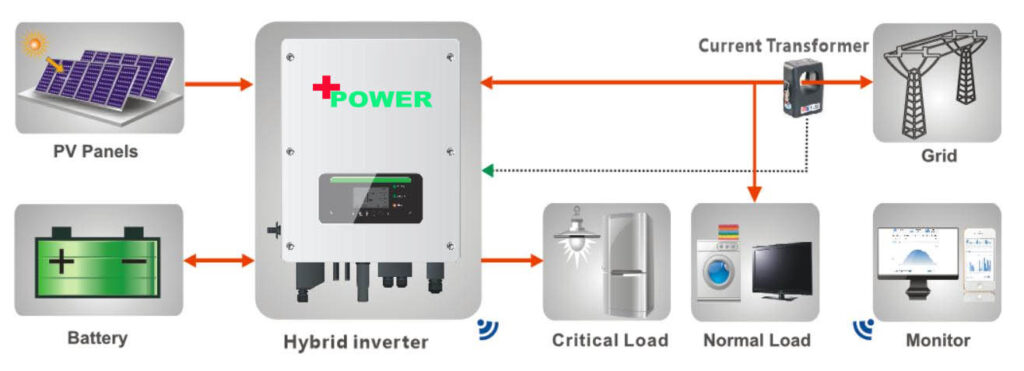
Plus Power is known for its reputable hybrid solar systems due to several key reasons:
Quality Components: Plus Power integrates high-quality components into their hybrid solar systems, ensuring reliability and durability. From solar panels to batteries and inverters, their systems are built using trusted and tested components.
Advanced Technology: They often incorporate cutting-edge technology in their systems, enhancing efficiency, energy production, and storage capabilities. This commitment to technological advancement ensures their systems remain competitive in the market.
Customization and Flexibility: Plus Power offers customizable solutions tailored to meet specific energy needs. Whether for residential, commercial, or industrial applications, their systems can be designed and adapted to different environments and energy requirements.
Comprehensive Support: The company provides comprehensive customer support, offering assistance with system design, installation guidance, and ongoing maintenance. Their focus on after-sales service ensures customers receive continued support after purchasing their systems.
Warranty and Reliability: Plus Power typically offers robust warranties on their products, reflecting their confidence in the reliability and performance of their hybrid solar systems. This provides customers with peace of mind regarding the longevity and effectiveness of their investment.
Industry Reputation: The company has built a positive reputation within the industry, often garnering favorable reviews and feedback from customers. Their track record for delivering quality systems contributes to their credibility.
Focus on Sustainability: Plus Power emphasizes sustainability and clean energy solutions. Their commitment to promoting renewable energy aligns with the global push toward reducing carbon footprints and embracing eco-friendly practices.
When considering a Plus Power hybrid solar system, these factors – quality components, technological innovation, customization, support, reliability, industry reputation, and sustainability focus – collectively make them a compelling choice for those seeking a reliable and efficient hybrid solar solution.