













What’s the integrated solar power system?
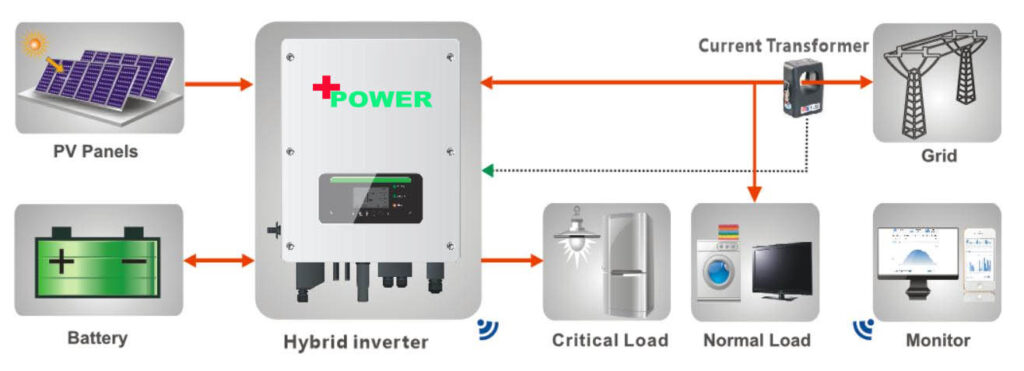
An integrated solar power system refers to a setup that combines various components and technologies to harness solar energy efficiently. This typically includes solar panels, inverters, energy storage systems, and sometimes other technologies like tracking systems or smart grid integration. The goal of an integrated solar power system is to maximize the generation, storage, and utilization of solar energy for various applications, such as residential or commercial electricity generation.
Here’s a breakdown of the key components:
Solar Panels: These are the primary components that convert sunlight into electricity through the photovoltaic effect. Solar panels are usually installed on rooftops or in open areas to capture sunlight.
Inverters: Solar inverters convert the direct current (DC) electricity generated by solar panels into alternating current (AC), which is the standard form of electricity used in homes and businesses.
Energy Storage Systems: Batteries or other energy storage devices may be integrated into the system to store excess energy generated during sunny periods for use during cloudy days or at night.
Monitoring and Control Systems: Smart systems are often employed to monitor energy production, consumption, and storage. This allows for optimal control and management of the entire solar power system.
Backup Power Systems: Some integrated solar power systems may include backup power sources, such as generators or grid connections, to ensure a continuous power supply in case of insufficient solar energy production.
Smart Grid Integration: In advanced setups, integrated solar power systems may be connected to smart grids, allowing for bidirectional energy flow and efficient distribution of electricity within a broader network.
Tracking Systems: Solar tracking systems can be incorporated to maximize the efficiency of solar panels by adjusting their orientation to follow the sun’s path throughout the day.
By integrating these components and technologies, an integrated solar power system aims to provide a reliable and sustainable source of electricity while minimizing environmental impact and optimizing energy utilization.

Why choose an integrated solar power system?
Choosing an integrated solar power system offers several advantages, making it an attractive option for individuals, businesses, and communities. Here are some reasons to consider opting for an integrated solar power system:
Efficient Energy Generation:
The integration allows for the seamless combination of solar panels, inverters, and energy storage systems. This ensures optimal energy production and utilization, maximizing overall system efficiency.
Reduced Dependence on the Grid:
By incorporating energy storage systems, an integrated solar power system enables the storage of excess energy generated during sunny periods. This stored energy can be used during periods of low sunlight or at night, reducing dependence on the traditional power grid.
Cost Savings:
Over time, integrated solar power systems can lead to significant cost savings. The initial investment in solar panels and storage may be offset by reduced electricity bills and potential government incentives or rebates for renewable energy installations.
Environmental Benefits:
Solar power is a clean and renewable energy source that produces electricity without greenhouse gas emissions or air pollutants. Choosing an integrated solar power system contributes to a lower carbon footprint, helping combat climate change and promote environmental sustainability.
Energy Independence:
Having an integrated solar power system provides a degree of energy independence. This is particularly valuable during power outages or in remote areas where grid electricity may not be readily available.
Smart Grid Integration:
Advanced integrated systems can be connected to smart grids, allowing for better management of energy flow. This can lead to improved efficiency, reduced transmission losses, and more effective integration of renewable energy into the broader energy infrastructure.
Customization and Scalability:
Integrated solar power systems can be designed to meet specific energy needs. Whether for residential, commercial, or industrial applications, these systems can be customized and scaled to accommodate varying energy demands.
Technological Advancements:
Ongoing advancements in solar technology and energy storage systems enhance the performance and capabilities of integrated solar power systems. Regular updates and improvements ensure that the system stays current with the latest innovations.
Government Incentives:
Many governments around the world offer incentives, subsidies, or tax credits for the installation of solar power systems. These financial benefits can make the upfront investment more attractive and accelerate the return on investment.
Long-Term Reliability:
Solar panels typically have long lifespans and well-designed integrated systems are built to last. Choosing a reputable supplier and maintaining the system properly can result in a reliable and durable energy solution.
In summary, opting for an integrated solar power system provides a sustainable, cost-effective, and environmentally friendly solution for meeting energy needs. The combination of solar panels, energy storage, and other integrated components offers a comprehensive approach to clean energy generation and consumption.
Why buy an integrated solar power system in China?
Choosing to buy an integrated solar power system in China can be driven by several factors that make it a compelling option. Here are some reasons why individuals, businesses, or organizations might consider purchasing integrated solar power systems from China:
Cost-Effective Manufacturing:
China is known for its cost-effective manufacturing capabilities. The country has a well-established infrastructure for producing solar panels, inverters, and other components at a competitive cost, making integrated solar power systems more affordable.
Large-Scale Production and Availability:
China is a global leader in the production of solar components. Its large-scale manufacturing facilities ensure a steady supply of solar panels, inverters, and other system components, reducing lead times and ensuring availability for various project sizes.
Diverse Product Range:
Chinese manufacturers offer a diverse range of solar power system components, allowing buyers to choose from a variety of options based on their specific needs and project requirements. This diversity can accommodate different budgets, scales, and technological preferences.
Quality Assurance and Certifications:
Many Chinese solar manufacturers adhere to international quality standards and certifications. It’s important for buyers to research and select reputable suppliers with proven track records, ensuring that the integrated solar power system meets the required safety and performance standards.
Innovative Technologies:
China invests heavily in research and development, leading to the adoption of innovative technologies in the solar industry. Buyers may benefit from advanced features, improved efficiency, and cutting-edge developments when choosing integrated solar power systems from Chinese suppliers.
Economies of Scale:
The high volume of solar panel production in China often results in economies of scale. This can lead to lower per-unit costs for solar components, making integrated solar power systems more cost-effective for buyers.
Global Market Presence:
Chinese solar manufacturers have a strong global market presence, supplying solar components to various countries. This global exposure often indicates that these manufacturers are experienced and capable of meeting international quality and performance standards.
Government Support and Policies:
The Chinese government has supported the growth of the solar industry through various policies and incentives. This support has contributed to the development of a robust solar manufacturing sector, making it an attractive option for buyers looking to benefit from government-backed initiatives.
Scalability and Customization:
Chinese manufacturers can often provide scalable and customizable solutions to meet the specific needs of different projects. This flexibility is crucial for tailoring integrated solar power systems to diverse applications, from residential installations to large-scale commercial projects.
International Trade Networks:
China has well-established international trade networks, facilitating the export of solar products. This can result in efficient shipping and logistics processes, making it easier for buyers from around the world to import integrated solar power systems.
Before making a purchase, it’s essential to conduct thorough research, verify the credentials of the supplier, and ensure that the chosen integrated solar power system meets the required quality and performance standards.
How to find a good integrated solar power system supplier in China?
Finding a good integrated solar power system supplier in China involves thorough research and evaluation. Here are steps you can follow to identify a reliable supplier:
Research and Identify Potential Suppliers:
Use online platforms: Explore online business-to-business platforms that provide a list of suppliers along with their product details and certifications.
Industry directories: Consult industry directories, both online and offline, to identify reputable solar power system suppliers in China.
Check Company Credentials:
Verify certifications: Ensure that the supplier holds relevant certifications for their products, such as ISO 9001 for quality management and relevant certifications for solar panels and inverters.
Reputation: Look for suppliers with a positive reputation in the industry. Check customer reviews and testimonials if available.
Assess Product Quality:
Request product samples: Ask for samples of the integrated solar power system components to assess their quality and performance.
Product specifications: Obtain detailed specifications of the products to ensure they meet your specific requirements.
Evaluate Manufacturing Facilities:
Factory visits: If feasible, consider visiting the supplier’s manufacturing facilities to evaluate their production processes, quality control measures, and overall capacity.
Check Experience and Track Record:
Length of operation: A supplier with a longer history in the industry may have more experience and a better track record.
Completed projects: Inquire about the supplier’s experience in supplying integrated solar power systems for similar projects.
Verify Compliance with Regulations:
Compliance with international standards: Ensure that the supplier’s products comply with international standards and regulations related to solar power systems.
Negotiate Terms and Conditions:
Pricing: Request detailed pricing information, including any additional costs such as shipping and customs duties.
MOQ (Minimum Order Quantity): Clarify the minimum order quantity required by the supplier.
Payment terms: Discuss and agree upon payment terms that are mutually acceptable.
Communication and Responsiveness:
Communication skills: Evaluate the supplier’s communication skills and responsiveness. A supplier that responds promptly and clearly to your inquiries is likely to be more reliable.
Legal and Contractual Considerations:
Contracts: Draft a clear and comprehensive contract that outlines all terms and conditions, including product specifications, delivery schedules, and payment terms.
Legal support: Seek legal advice to ensure that the contract is legally binding and protects your interests.
Visit Trade Shows and Expos:
Attend relevant trade shows and exhibitions in China to meet potential suppliers in person and gather more information about their products and services.
Remember that due diligence is crucial when selecting a supplier, and it’s advisable to start with a small order before committing to larger quantities. Additionally, consider consulting with industry experts or hiring a sourcing agent to assist you in the supplier selection