













What’s solar power?
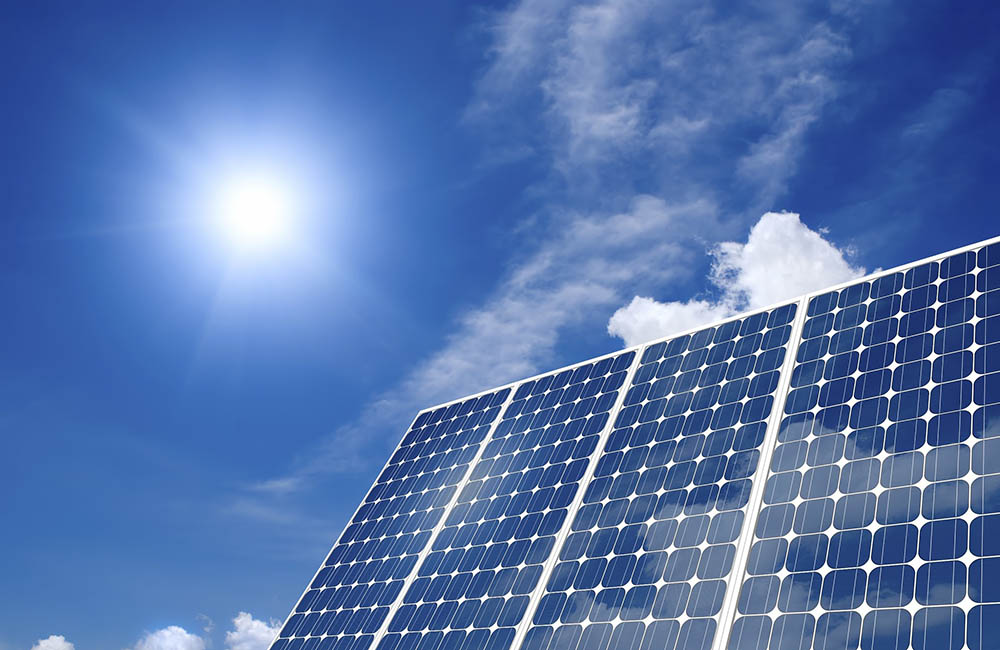
Solar power refers to the energy derived from the sun’s radiation. This renewable energy source is harnessed using various technologies, the most common being solar photovoltaic (PV) cells and solar thermal systems.
Solar Photovoltaic (PV) Cells:
Photovoltaic cells, commonly known as solar cells, directly convert sunlight into electricity. These cells are typically made of semiconductor materials, such as silicon.
When sunlight strikes the solar cells, it excites electrons within the semiconductor material, creating an electric current.
Multiple solar cells are connected to form solar panels, and these panels can be installed on rooftops or in large solar farms.
Solar Thermal Systems:
Solar thermal systems harness the sun’s heat to generate electricity or provide hot water for residential and industrial use.
Concentrated Solar Power (CSP) systems use mirrors or lenses to focus sunlight onto a small area, generating intense heat that can be used to produce steam. This steam, in turn, drives turbines to generate electricity.
Solar water heating systems use sunlight to heat water for domestic or industrial purposes. These systems typically involve collectors that absorb sunlight and transfer the heat to water, which is then circulated for various applications.
Advantages of Solar Power:
Renewable: Solar power is a virtually limitless and sustainable energy source as long as the sun continues to shine.
Environmentally Friendly: Solar power generation produces minimal air and water pollution, contributing to a cleaner environment and mitigating climate change.
Reduced Energy Costs: Once installed, solar panels can significantly reduce or eliminate electricity bills for homeowners and businesses, depending on the system’s size and efficiency.
Challenges:
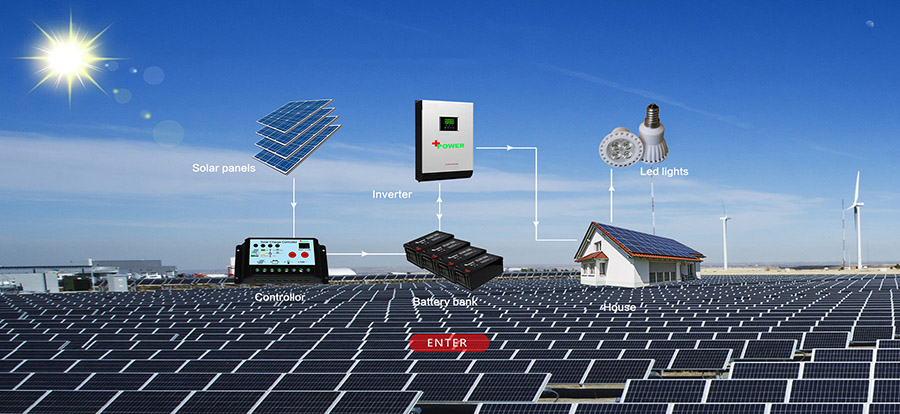
Intermittency: Solar power generation is dependent on sunlight, making it intermittent. Energy storage solutions, such as batteries, are crucial for storing excess energy during sunny periods for use during cloudy days or nighttime.
Initial Cost: While the cost of solar panels has decreased over the years, the initial investment can still be a barrier for some individuals or businesses. However, the long-term savings and environmental benefits often outweigh the upfront costs.
Solar power plays a crucial role in the transition to cleaner and more sustainable energy alternatives, helping reduce dependence on fossil fuels and mitigating the impact of climate change.
How to change sun power into solar power?
Converting sunlight into solar power typically involves using solar technologies, such as photovoltaic (PV) cells or solar thermal systems. Here are the basic principles behind each method:
Solar Photovoltaic (PV) Cells:
Functionality: PV cells, commonly known as solar cells, directly convert sunlight into electricity.
Composition: These cells are made of semiconductor materials, usually silicon. When sunlight strikes these materials, it excites electrons, generating an electric current.
Steps to Convert Sunlight into Electricity using PV Cells:
Photons from sunlight strike the PV cells.
This energy excites electrons in the semiconductor material of the cells.
Excited electrons create an electric current within the cell.
Multiple cells are connected to form solar panels.
Solar panels can be installed on rooftops or in solar farms to generate electricity.
Solar Thermal Systems:
Functionality: Solar thermal systems use sunlight to generate heat, which can be converted into electricity or used for various applications such as water heating.
Types:
Concentrated Solar Power (CSP): Uses mirrors or lenses to focus sunlight onto a small area, creating intense heat. This heat is then used to generate steam that drives turbines, producing electricity.
Solar Water Heating Systems: Absorb sunlight to heat water for residential or industrial use.
Steps to Convert Sunlight into Heat using Solar Thermal Systems:
Solar collectors absorb sunlight.
The absorbed sunlight heats a transfer fluid or directly heats water.
The heated fluid is used to generate steam (in CSP systems) or is circulated for direct use.
Steam drives turbines to produce electricity in CSP systems.
Energy Storage (Optional):
Both PV and solar thermal systems can be coupled with energy storage solutions like batteries.
Excess energy generated during sunny periods can be stored for use during cloudy days or at night.
Distribution and Use:
The electricity generated by solar power systems is typically integrated into the existing electrical grid or used on-site.
In off-grid applications, solar power can be used directly or stored for later use.
Inverter (for PV Systems):
PV systems require an inverter to convert direct current (DC) generated by the solar panels into alternating current (AC) used in homes and businesses.
By harnessing the energy from sunlight through these methods, we can generate clean and renewable solar power. The ongoing development of solar technologies and advancements in efficiency contribute to making solar power an increasingly viable and sustainable energy source.

How to calculate solar power?
Calculating solar power involves considering various factors such as solar irradiance, efficiency of solar panels, and system size. Here’s a general guide on how to estimate solar power output:
Determine Solar Irradiance:
Solar irradiance is the amount of sunlight that reaches a specific area over a given time period. This is typically measured in kilowatt-hours per square meter per day (kWh/m²/day).
Research the average solar irradiance for your location. Many resources, including solar maps, provide this information based on geographical location.
Consider System Efficiency:
Solar panels are not 100% efficient in converting sunlight into electricity. The efficiency of solar panels is expressed as a percentage, representing the portion of sunlight that can be converted into usable power.
The efficiency varies based on the type and quality of solar panels. Typical efficiencies for commercial solar panels range from 15% to 22%.
Calculate Energy Output:
Use the following formula to estimate daily energy output:
Energy Output (kWh)=Solar Irradiance (kWh/m²/day)×Panel Efficiency×System Size (in square meters)
For example, if the solar irradiance is 5 kWh/m²/day, the panel efficiency is 18%, and the system size is 20 square meters:
Energy Output=5kWh/m²/day×0.18×20m²=18kWh/day
Consider System Losses:
Factor in losses due to shading, dirt on panels, inverter efficiency, and other potential issues that may affect the overall performance of the solar power system.
This step helps provide a more realistic estimate of the actual energy output.
Estimate Annual Energy Production:
Multiply the daily energy output by the number of days in a year to estimate the annual energy production:
Annual Energy Production (kWh)=Daily Energy Output (kWh/day)×Number of Days in a Year
Account for Location and Tilt:
Consider the orientation and tilt of the solar panels. The angle and direction can impact the efficiency of solar power generation.
Adjustments can be made based on factors like latitude, azimuth, and tilt angle to optimize energy production.
Use Online Tools:
Online solar calculators and simulation tools are available to simplify the process. These tools often consider local climate data, panel efficiency, and other variables.
Keep in mind that these calculations provide estimates, and actual performance may vary due to environmental conditions, system maintenance, and other factors. Consulting with a solar professional can help ensure a more accurate assessment of solar power potential for a specific location.
How to find a good solar power supplier in China?
Finding a good solar power supplier in China involves careful research and evaluation. Here are steps to help you identify and choose a reliable supplier:
Research and Identify Potential Suppliers:
Use online platforms and directories to identify potential solar power suppliers in China. Websites like Alibaba, Made-in-China, and other business-to-business (B2B) platforms can be useful.
Check Company Credentials:
Verify the credentials of potential suppliers. Look for companies with a good reputation, positive reviews, and a history of providing quality products and services.
Check for certifications related to solar products, such as ISO 9001, ISO 14001, and relevant industry certifications.
Evaluate Product Range:
Assess the product range offered by the supplier. Consider whether they provide the specific types of solar panels or components you need for your project.
Examine Product Quality:
Request product samples or detailed specifications to assess the quality of the solar products. Look for suppliers that adhere to international standards and have a commitment to quality control.
Review Production Capacity:
Inquire about the supplier’s production capacity and capabilities. Ensure they can meet your quantity requirements and have the capability to scale production if needed.
Check Experience and Track Record:
Look for suppliers with a proven track record and experience in the solar industry. Experienced suppliers are more likely to understand the market and deliver reliable products.
Verify Financial Stability:
Assess the financial stability of the supplier. A financially stable company is more likely to fulfill its commitments and deliver products on time.
Communication and Language:
Evaluate the supplier’s communication skills and language proficiency. Clear communication is essential for a successful partnership, so ensure you can communicate effectively with the supplier.
Negotiate Terms and Conditions:
Clearly understand the terms and conditions of the agreement. Negotiate pricing, payment terms, delivery schedules, and any other relevant terms to ensure a mutually beneficial arrangement.
Visit the Manufacturer:
If feasible, consider visiting the manufacturer’s facilities to get a firsthand look at their production processes and quality control measures. This can provide valuable insights into the supplier’s operations.
Get References:
Ask the supplier for references from previous clients. Contact these references to gather feedback on their experiences with the supplier.
Understand Warranty and Support:
Inquire about product warranties and after-sales support. A reliable supplier should provide warranty information and be responsive to any issues that may arise.
Consider Logistics and Shipping:
Assess the supplier’s ability to handle logistics and shipping efficiently. This includes packaging, shipping methods, and tracking capabilities.
Remember that due diligence is crucial when selecting a solar power supplier. Take the time to thoroughly research and vet potential suppliers to ensure a reliable and successful partnership.