














1. What’s monocrystalline and polycrystalline solar panels
Monocrystalline and polycrystalline solar panels are two common types of photovoltaic panels used to convert sunlight into electricity in solar power systems. They differ in their manufacturing processes and physical characteristics:
Monocrystalline Solar Panels:

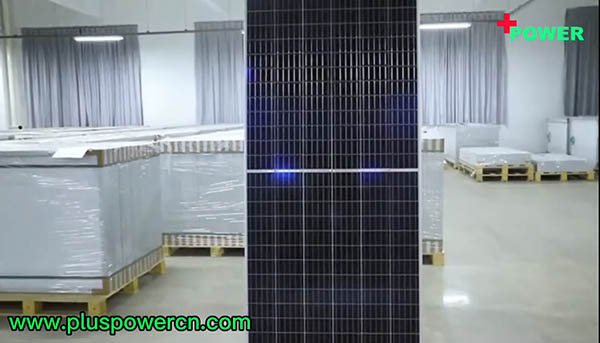
Material: Monocrystalline solar panels are made from a single crystal structure, typically of high-purity silicon. This means that the entire panel is composed of a single continuous crystal lattice.
Appearance: Monocrystalline panels are usually black in color and have a uniform, sleek, and uniform appearance. They often have rounded edges.
Efficiency: Monocrystalline panels tend to be more efficient than polycrystalline panels, meaning they can convert a higher percentage of sunlight into electricity. This makes them suitable for installations with limited space or where maximizing energy output is crucial.
Space Efficiency: Monocrystalline panels are space-efficient because they produce more electricity per square foot, allowing for higher power output in a smaller footprint.
Cost: Monocrystalline panels are often more expensive to manufacture than polycrystalline panels due to the production process that requires high-purity silicon and the efficiency advantages.
Polycrystalline Solar Panels:
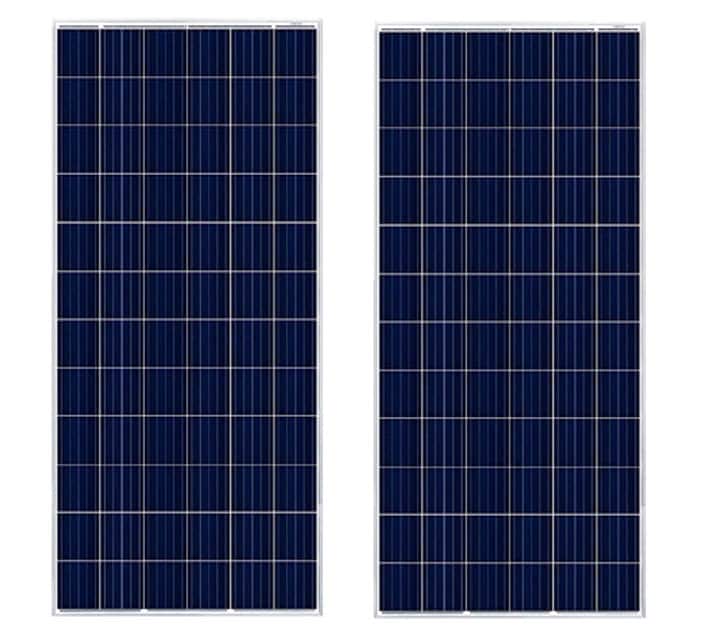
Material: Polycrystalline solar panels are made from multiple crystal structures, where the silicon is melted and then cast into square or rectangular wafers. These wafers are composed of various small crystal grains.
Appearance: Polycrystalline panels typically have a bluish or speckled appearance due to the multiple crystal grains. They often have a square or rectangular shape with sharp corners.
Efficiency: Polycrystalline panels are slightly less efficient than monocrystalline panels, meaning they convert a slightly lower percentage of sunlight into electricity. However, the difference in efficiency is not substantial in many cases.
Space Efficiency: Polycrystalline panels may require more space to generate the same amount of electricity as monocrystalline panels, which can be a consideration for installations with limited roof or ground space.
Cost: Polycrystalline panels are generally less expensive to manufacture than monocrystalline panels. They are often chosen for their cost-effectiveness in large-scale solar installations.
In summary, the choice between monocrystalline and polycrystalline solar panels depends on factors such as your budget, available space, and energy efficiency requirements. Monocrystalline panels are known for their higher efficiency and sleek appearance but come at a slightly higher cost. Polycrystalline panels are cost-effective and suitable for installations with ample space but may be slightly less efficient. Both types of panels can be effective in generating clean and renewable solar energy.
2. Why mono panel is better than the poly panel in the market
Monocrystalline (mono) solar panels are often considered superior to polycrystalline (poly) solar panels in certain aspects, but whether they are “better” depends on specific project requirements and budget considerations. Here are some reasons why monocrystalline panels are sometimes preferred:
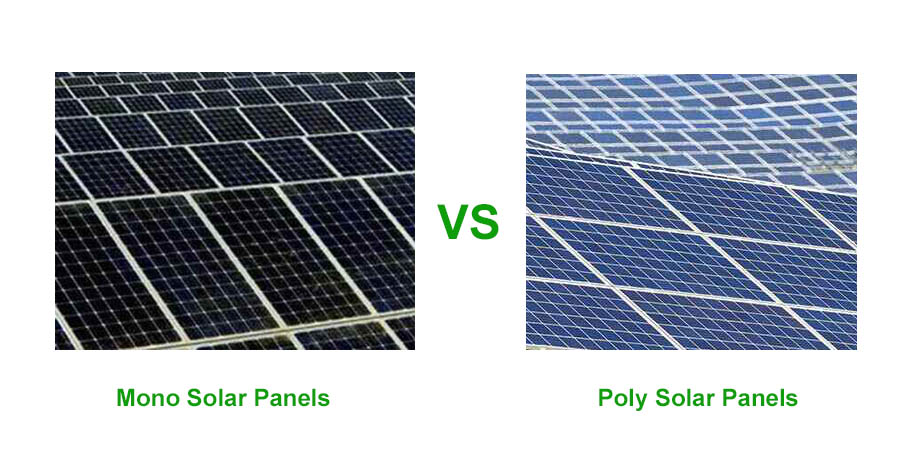
Higher Efficiency: Monocrystalline panels generally have higher efficiency rates compared to polycrystalline panels. This means they can convert a higher percentage of sunlight into electricity, which can be beneficial in situations with limited space or where maximizing energy output is essential.
Space Efficiency: Monocrystalline panels are space-efficient because they produce more electricity per square foot, allowing for higher power output in a smaller footprint. This can be advantageous for residential installations with limited roof space.
Sleek Appearance: Monocrystalline panels often have a sleek, all-black design, making them aesthetically pleasing and suitable for residential installations where appearance matters.
Better Performance in Low Light: Monocrystalline panels tend to perform better than polycrystalline panels in low-light conditions, such as cloudy days or mornings/evenings, making them more reliable in areas with inconsistent sunlight.
Longevity: Monocrystalline panels are known for their longevity and durability, with a typical lifespan of 25 years or more when properly maintained.
Warranty Options: Some manufacturers offer longer warranties on monocrystalline panels, reflecting confidence in their durability and performance.
Higher Price Point: While monocrystalline panels offer several advantages, they are often more expensive to manufacture than polycrystalline panels. The higher price point can be a consideration for budget-conscious consumers or large-scale projects.
Lower Temperature Coefficient: Monocrystalline panels tend to have a lower temperature coefficient, meaning their performance degrades less in high-temperature conditions. This can be advantageous in hot climates.
Residential and Space-Constrained Applications: Monocrystalline panels are commonly chosen for residential rooftops and applications where space is limited, as they allow homeowners to maximize energy production in confined areas.
It’s important to note that the choice between monocrystalline and polycrystalline panels should be based on the specific needs of your solar project and your budget constraints. Polycrystalline panels also have their advantages, including lower upfront costs, and they can be a suitable choice for many residential and commercial installations.
When selecting solar panels, it’s essential to consider factors such as available space, budget, efficiency requirements, aesthetic preferences, and the solar conditions in your region. Additionally, evaluating the reputation of the manufacturer and the warranty terms can help ensure you make an informed decision that aligns with your project goals.
3. Why import solar panels from China?
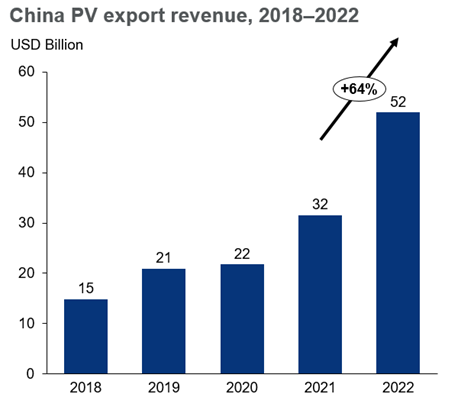
Importing solar panels from China can be an attractive option for several reasons:
Cost-Effective Production: China is known for its cost-effective manufacturing capabilities. Chinese solar panel manufacturers often produce panels at a lower cost due to lower labor expenses, economies of scale, and efficient production processes.
Wide Range of Suppliers: China has a vast and diverse network of solar panel manufacturers, offering a wide variety of panels with different specifications, sizes, and technologies. This diversity allows buyers to find products that match their specific project requirements.
Global Market Share: China is a global leader in solar panel production, and many reputable manufacturers are based in the country. This extensive experience in the solar industry means that Chinese companies often offer high-quality products.
Customization Options: Some Chinese solar panel manufacturers provide customization options, allowing buyers to request specific features, capacities, and designs tailored to their unique projects.
Economies of Scale: Due to the large scale of production in China, manufacturers can often offer competitive pricing, especially for bulk orders or large-scale solar projects.
Technological Advancements: Chinese solar manufacturers have made significant advancements in solar technology, including the development of high-efficiency and innovative panel designs.
Global Export Experience: Chinese solar panel manufacturers have extensive experience in exporting their products worldwide. They are familiar with international shipping regulations and can provide efficient logistics solutions.
Quality Assurance: Many reputable Chinese solar panel manufacturers adhere to international quality standards and certifications, such as ISO and TUV. This ensures that their panels meet industry-specific performance and safety requirements.
Innovation and Research: China continues to invest in solar research and development, resulting in improved solar panel technologies and more efficient production processes.
Availability of Components: China also produces a significant portion of the components used in solar panel manufacturing, such as silicon wafers and solar cells. This vertical integration can contribute to cost savings and a stable supply chain.
Competitive Market: The competitive nature of the Chinese solar panel market can drive innovation and cost reduction. Buyers can benefit from the competitive environment, which may lead to improved product offerings and pricing.
Despite these advantages, it’s essential to exercise due diligence when importing solar panels from China. Consider factors such as the reputation of the manufacturer, the quality of their products, adherence to international standards, and their track record in the industry. Additionally, working with experienced import/export professionals or consultants can help navigate the complexities of international trade successfully.
4. How to find a good solar panel china manufacturer
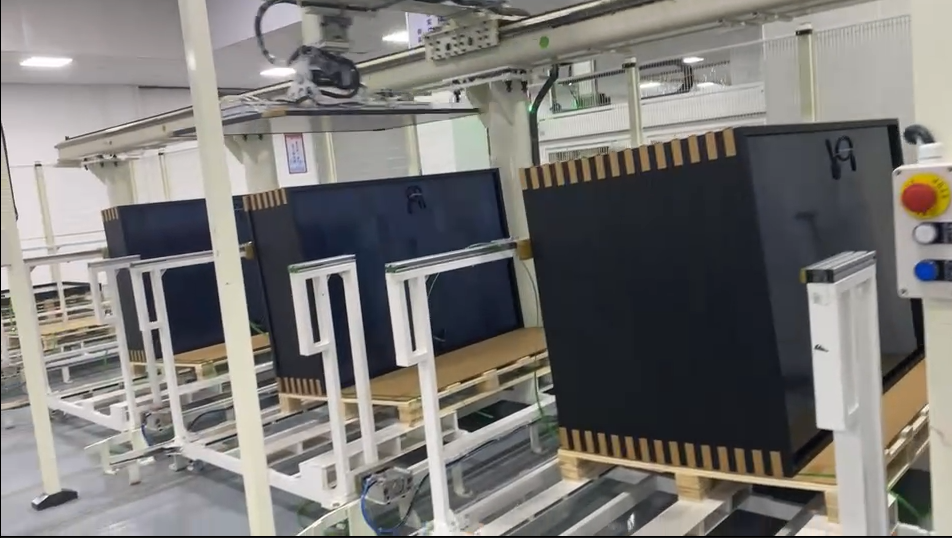
Finding a reputable and reliable solar panel manufacturer in China requires thorough research and due diligence. Here are steps to help you identify a good solar panel manufacturer:
Online Research:
Start your search online using search engines, industry directories, and B2B platforms to find numerous solar panel manufacturers in China. However, it should be emphasized that the larger the scale and reputation of the supplier, the better. You must find a supplier of corresponding scales according to your actual needs.
Manufacturer Directories:
Utilize industry-specific directories and databases that list verified solar panel manufacturers. Examples include the International Photovoltaic Equipment Association (IPVEA) directory or the China Photovoltaic Industry Association (CPIA).
Trade Shows and Exhibitions:
Attend solar industry trade shows and exhibitions, both in China and internationally. These events offer opportunities to meet manufacturers in person, see their products, and establish connections.
Industry Associations:
Contact industry associations related to solar energy and photovoltaics in China, such as CPIA. They may provide recommendations or lists of reputable manufacturers.
Reference Checks:
Ask for recommendations from business associates, colleagues, or industry contacts who have experience in importing solar panels from China. Personal referrals can be valuable.
Online Reviews and Ratings:
Look for online reviews and ratings of potential manufacturers. While not always completely reliable, they can provide insights into other buyers’ experiences.
Background Checks:
Research the manufacturer’s history, including how long they’ve been in business, their production capacity, and any notable clients or projects they’ve worked on.
Quality Certifications:
Verify that the manufacturer holds relevant quality certifications, such as ISO 9001, and ISO 14001, and relevant product certifications like TUV or UL (Underwriters Laboratories). These certifications indicate a commitment to quality standards.
Factory Visits:
If feasible, plan a visit to the manufacturer’s facilities in China. This allows you to assess their production processes, quality control measures, and overall operation firsthand.
Communication:
Reach out to potential manufacturers and engage in meaningful communication. Ask questions about their products, production processes, quality control, and lead times. Prompt and transparent communication is a positive sign.
Sample Orders:
Request samples of the solar panels you intend to purchase. Testing samples can help you assess the product’s quality, performance, and compatibility with your requirements.
Terms and Conditions:
Review the manufacturer’s terms and conditions, including warranties, return policies, and payment terms. Ensure they align with your expectations and industry standards.
Audit and Inspection Services:
Consider hiring third-party audit or inspection services to evaluate the manufacturer’s production facilities and processes. This provides an independent assessment of their capabilities.
Legal Contracts:
Draft clear and comprehensive legal contracts that outline the terms of your partnership, quality standards, delivery schedules, and dispute resolution mechanisms.
Payment Security:
Use secure payment methods, such as letters of credit (LC) or payment through reputable platforms, to protect your financial interests.
It’s crucial to thoroughly vet potential manufacturers and build a strong relationship with a trusted partner. Ensure that the manufacturer you choose aligns with your specific project requirements, quality standards, and budget constraints. Working with experienced import/export professionals or consultants can also provide valuable guidance throughout the process.
5. Why choose Plus Power Tech Co., Ltd. as your solar panel manufacturer
Selecting Plus Power Tech Co., Ltd. as your solar panel manufacturer would depend on various factors, including your specific project requirements, budget, and the reputation of the manufacturer. Here are some reasons why you should consider choosing Plus Power Tech Co., Ltd. as your solar panel supplier:
Reputation and Experience: Plus Power Tech Co., Ltd. has a reputation for manufacturing high-quality solar panels. They have experience in the industry and a track record of providing reliable products to customers.
Product Range: The company likely offers a range of solar panel models with varying specifications, sizes, and efficiency levels. This variety allows you to select panels that best suit your project’s needs.
High Efficiency: Plus Power Tech Co., Ltd. may produce solar panels known for their efficiency in converting sunlight into electricity. High-efficiency panels can result in greater energy production from your solar installation.
Quality Assurance: Reputable solar panel manufacturers often adhere to international quality standards and certifications, such as ISO 9001 and TUV. These certifications ensure that the panels meet industry-specific performance and safety requirements.
Customization Options: Some manufacturers, including Plus Power Tech Co., Ltd., offer customization options, allowing you to request specific features or designs tailored to your unique project requirements.
Longevity: Solar panels from Plus Power Tech Co., Ltd. are designed for durability and longevity, with a typical lifespan of 25 years or more when properly maintained.
Warranty and Support: Investigate Plus Power Tech Co., Ltd.’s warranty terms and after-sales support policies. A strong warranty and reliable customer support can provide added confidence in the product.
Global Export Experience: Plus Power Tech Co., Ltd. likely has experience in exporting their products worldwide. This experience can lead to efficient logistics solutions and reliable product delivery.
Competitive Pricing: While the cost of solar panels can vary, Plus Power Tech Co., Ltd. may offer competitive pricing, making their panels an attractive option for cost-conscious buyers.
Environmental Considerations: Evaluate Plus Power Tech Co., Ltd.’s commitment to sustainability and environmentally friendly manufacturing practices. Some manufacturers prioritize eco-friendly production processes and materials.
Availability: Ensure that Plus Power Tech Co., Ltd. has a reliable distribution network and can provide the solar panels you need within your project’s timeline.
References and Reviews: Seek out references and reviews from other customers who have used Plus Power Tech Co., Ltd. as their solar panel supplier. Insights from previous customers can provide valuable information.
Ultimately, the choice of Plus Power Tech Co., Ltd. as your solar panel manufacturer should be based on a comprehensive assessment of your project’s specific requirements, budget constraints, and Plus Power’s ability to meet those needs. Conducting thorough research and possibly requesting samples for testing can help you make an informed decision that aligns with your project goals.