














What’s a solar home system?
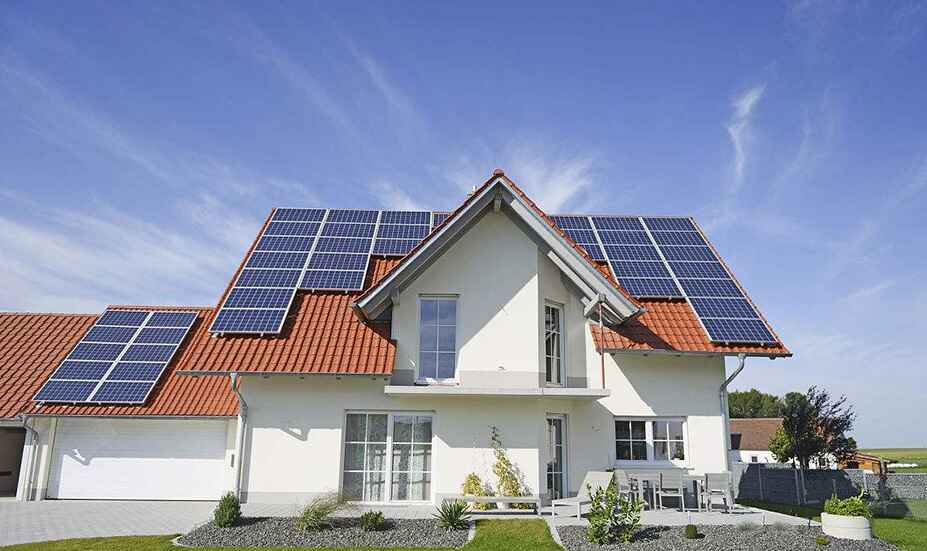
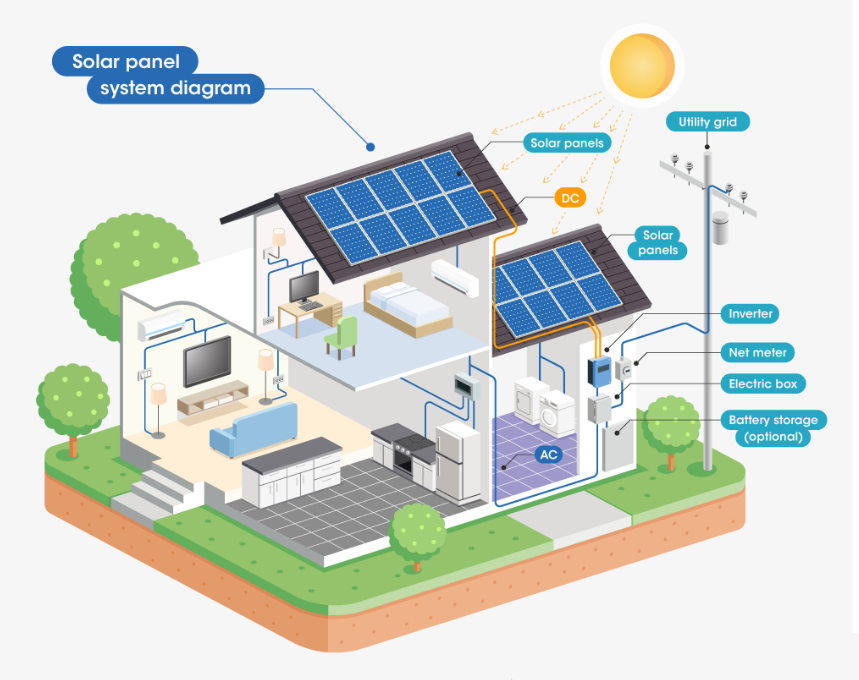
A solar home system (SHS) is a decentralized solar energy system designed to provide electricity to households, particularly in areas where there is limited or no access to the traditional power grid. It typically consists of solar panels, a battery storage unit, a charge controller, and sometimes an inverter to convert the direct current (DC) electricity generated by the solar panels into alternating current (AC) electricity usable by household appliances.
Solar home systems are scalable and can range from small systems that power a few lights and mobile phone charging to larger systems that can power multiple appliances and provide basic electricity needs for a household. They are often used in rural or remote areas where extending the centralized grid infrastructure is prohibitively expensive or impractical.
These systems offer numerous benefits, including providing clean and renewable energy, reducing dependence on fossil fuels, mitigating greenhouse gas emissions, and improving energy access and quality of life for people living in off-grid or underserved communities.
Solar home system is an off-grid or on-grid system?
A solar home system (SHS) can be either off-grid or grid-tied, depending on its configuration and purpose.
1. Off-grid system: In an off-grid SHS, the solar panels generate electricity that is stored in batteries for use when the sun is not shining, such as during nighttime or cloudy days. This type of system operates independently of the main power grid and is commonly used in remote or rural areas where access to the grid is limited or non-existent. Off-grid systems provide electricity solely from solar energy and battery storage, making them self-sufficient and ideal for areas without reliable grid infrastructure.
2. Grid-tied system: In a grid-tied SHS, the solar panels generate electricity that is directly consumed by the household or fed into the main power grid. These systems are connected to the grid, allowing excess electricity generated by the solar panels to be exported to the grid, and electricity can be drawn from the grid when solar production is insufficient. Grid-tied systems do not typically require battery storage since the grid serves as a virtual storage system. They are common in urban and suburban areas where grid infrastructure is available and provide an opportunity for households to reduce their electricity bills and contribute to renewable energy generation.
Both off-grid and grid-tied solar home systems offer environmental benefits and energy independence, but they cater to different needs and circumstances.
Why buy solar home systems in China?
Buying a solar home system in China can be advantageous for several reasons:
Large-scale manufacturing: China is one of the world’s largest manufacturers of solar panels and related components. The country’s robust manufacturing infrastructure and economies of scale have led to competitive pricing for solar products, making them more affordable for consumers.
High-quality products: Despite being known for competitive pricing, many Chinese solar companies also offer high-quality products that meet international standards. With advancements in technology and quality control processes, Chinese manufacturers produce solar panels and components that are reliable and durable.
Innovation and research: China has been investing heavily in renewable energy research and development, including solar energy. This investment has led to technological advancements and innovations in solar technology, making Chinese products competitive in the global market.
Government support: The Chinese government has implemented various policies and incentives to promote the adoption of solar energy, both domestically and internationally. These policies include subsidies for solar installations, feed-in tariffs, and targets for renewable energy deployment, creating a supportive environment for consumers interested in purchasing solar home systems.
Wide range of options: China’s solar industry offers a wide range of options in terms of product variety, system configurations, and pricing. Whether you’re looking for rooftop solar panels, off-grid solar kits, or grid-tied systems, you can find a diverse selection of products to suit your specific needs and budget.
Global market presence: Chinese solar companies have a strong presence in the global market, supplying solar panels and components to countries around the world. This global reach ensures that consumers have access to a wide selection of products and can benefit from competitive pricing and reliable supply chains.
Overall, buying a solar home system in China can offer consumers access to high-quality, affordable products, supported by a robust manufacturing industry, technological innovation, and government policies promoting renewable energy adoption.
How do choose a good solar home system?
Choosing a good solar home system involves considering several factors to ensure it meets your specific needs and requirements. Here are some steps to help you make an informed decision:
Assess your energy needs: Determine how much electricity your household consumes on average and what appliances or devices you need to power with solar energy. This will help you determine the size and capacity of the solar system required.
Evaluate your location: Consider factors such as sunlight availability, shading from trees or buildings, and local weather patterns. The amount of sunlight your location receives will affect the efficiency and output of your solar panels.
Decide between off-grid or grid-tied: Determine whether you want to be completely independent of the main power grid (off-grid system) or if you prefer to remain connected to the grid and potentially sell excess electricity back to your utility company (grid-tied system).
Quality of components: Research and choose high-quality solar panels, inverters, batteries (if applicable), and other components. Look for reputable brands with good warranties and performance guarantees to ensure reliability and durability.
Consider system efficiency: Evaluate the efficiency ratings of the solar panels and inverters. Higher efficiency components will generate more electricity from the same amount of sunlight, maximizing the system’s output.
Evaluate financial incentives: Explore available financial incentives, such as government rebates, tax credits, and net metering policies, which can help offset the initial cost of installing a solar home system and provide ongoing savings on your electricity bills.
Get multiple quotes: Obtain quotes from multiple solar installers to compare prices, system designs, and warranties. Be wary of significantly lower-priced quotes, as they may indicate inferior quality components or installation practices.
Review customer reviews and references: Look for reviews and testimonials from previous customers to gauge the reputation and reliability of the solar installer. Ask for references and contact previous clients to inquire about their experience with the installer and the performance of their solar home system.
Consider future expansion: If you anticipate increasing your energy needs in the future, consider choosing a solar home system that can be easily expanded or upgraded to accommodate additional solar panels or battery storage capacity.
By carefully considering these factors and doing thorough research, you can choose a solar home system that best fits your energy needs, budget, and location, ultimately maximizing the benefits of solar energy for your household.