














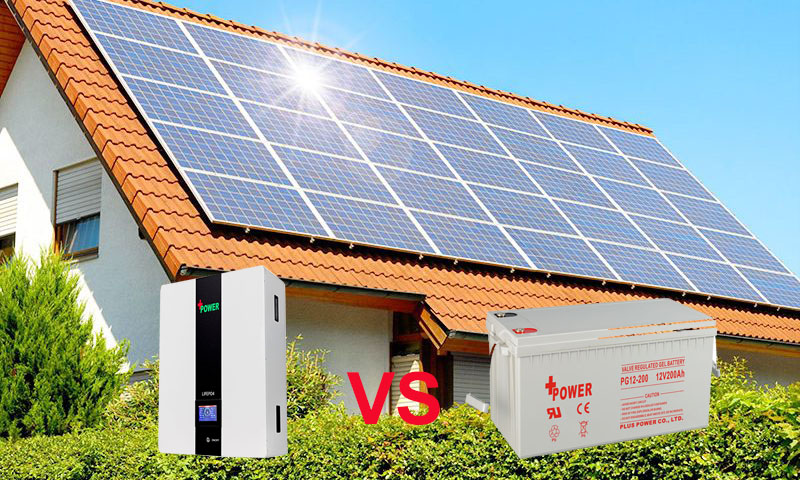
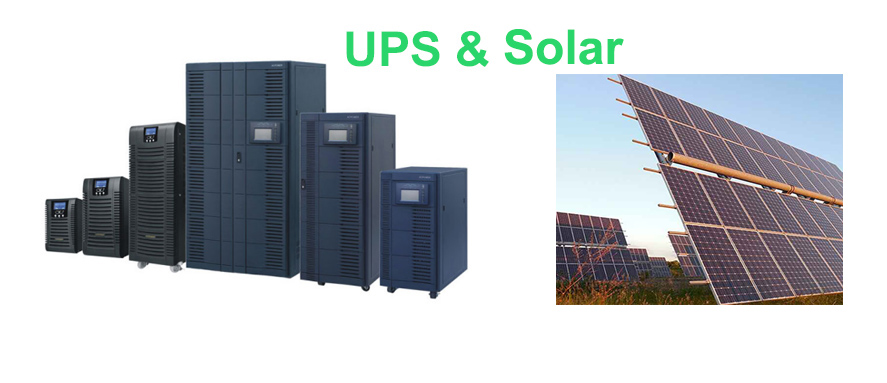
Why VRLA or LifePO4 Battery is Important to UPS(Uninterrupted Power System) and Solar(Solar Power System)?
VRLA (Valve Regulated Lead Acid) and LiFePO4 (Lithium Iron Phosphate) batteries are commonly used in UPS (Uninterrupted Power System) and Solar(Solar power system) due to their high energy density, low self-discharge rate, and long service life.
Batteries are the most critical component of a UPS system, as they provide backup power in case of a power outage. Batteries are an essential component of a solar power system, as they store the energy generated by solar panels during the day and provide backup power during the night or when there is insufficient sunlight. VRLA batteries are maintenance-free, making them ideal for UPS and solar power systems that require minimal maintenance. LiFePO4 batteries are more expensive than VRLA batteries, but they have a longer lifespan and are more efficient in UPS and solar power systems.
In summary, VRLA and LiFePO4 batteries are important to UPS and solar power systems because they provide reliable backup power during power outages and require minimal maintenance, or provide reliable backup power during the night or when there is insufficient sunlight and require minimal maintenance.
VRLA vs LifePO4 Battery, Which is Better in UPS and Solar?
Valve-Regulated Lead-Acid (VRLA) and Lithium Iron Phosphate (LiFePO4) batteries are two different types of rechargeable batteries, and their suitability for UPS (Uninterruptible Power Supply) and solar applications depends on various factors. Let’s compare them in the context of these applications:
1. Energy Efficiency:
LiFePO4 batteries are generally more energy-efficient than VRLA batteries. They have higher charge and discharge efficiency, which means they can store and release more of the energy they store.
2. Cycle Life:
LiFePO4 batteries tend to have a longer cycle life compared to VRLA batteries. They can typically withstand more charge and discharge cycles, which is important for applications like solar power where daily cycling is common.
3. Weight and Size:
LiFePO4 batteries are lighter and more compact than VRLA batteries with the same capacity. This makes them a better choice in situations where space and weight are crucial factors.
4. Depth of Discharge (DoD):
LiFePO4 batteries can often be discharged to a higher percentage of their capacity (80-90%) without significantly affecting their lifespan, while VRLA batteries usually have a limited DoD (about 50%) to maintain their longevity. In solar applications, this can be advantageous as it allows for more usable energy.
5. Maintenance:
VRLA batteries require regular maintenance, including checking the water levels and ensuring proper ventilation to prevent overheating. LiFePO4 batteries are maintenance-free, making them more convenient for long-term use.
6. Charging and Discharging Rates:
LiFePO4 batteries can handle higher charging and discharging rates, which can be useful in UPS applications where quick energy transfer is required during power outages.
7. Temperature Sensitivity:
LiFePO4 batteries are more temperature-tolerant than VRLA batteries, which can be advantageous in both UPS and solar applications, especially in regions with extreme temperatures.
8. Cost:
Historically, LiFePO4 batteries have been more expensive upfront compared to VRLA batteries. However, their longer lifespan and better performance may make them more cost-effective over the long run, especially in solar applications.
In summary, for both UPS and solar applications, LiFePO4 batteries tend to be the preferred choice due to their higher efficiency, longer cycle life, greater DoD, and lower maintenance requirements. However, the choice between the two depends on your specific needs, budget, and other factors. VRLA batteries can still be suitable for certain applications, especially when initial cost is a significant concern.