














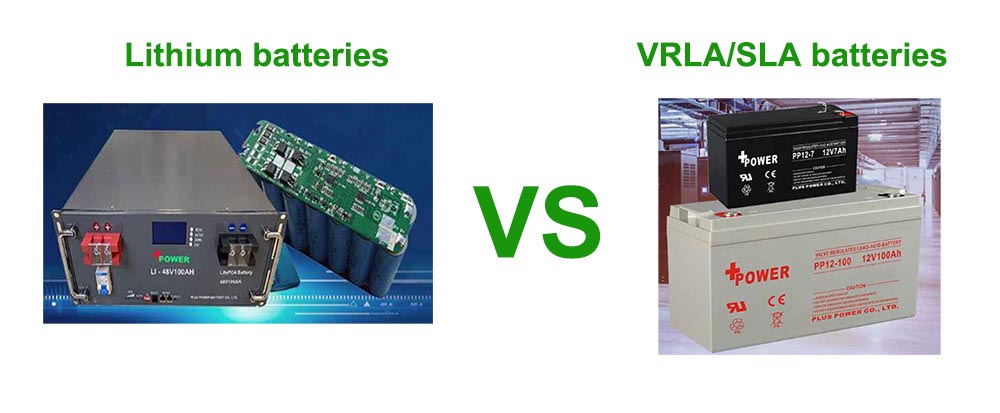
Valve-regulated lead-acid (VRLA) batteries and Lithium batteries (including Lithium-Ion and Lithium Iron Phosphate) are two distinct types of rechargeable batteries, each with its own set of advantages and disadvantages. Here’s a comparison:
VRLA Batteries:
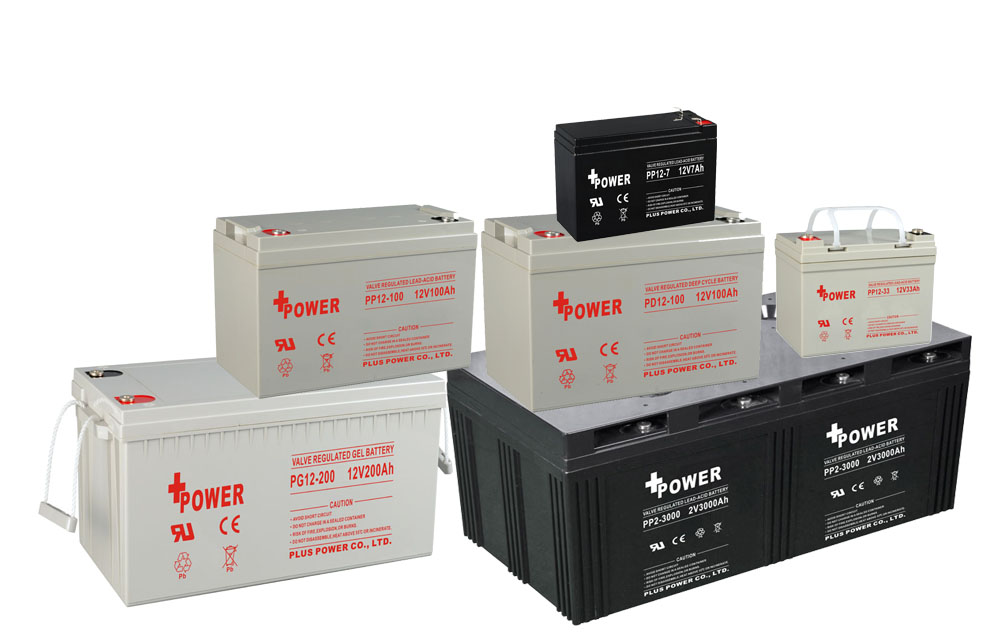
Advantages:
Lower Initial Cost: VRLA batteries are generally more cost-effective upfront compared to many lithium batteries.
Proven Technology: They have been in use for many years and are a well-established, reliable technology.
Widespread Availability: VRLA batteries are widely available and can be found in many retail locations.
Maintenance-Free: They are relatively maintenance-free compared to older lead-acid battery types.
Reliable Performance: VRLA batteries are known for their stable and consistent performance, making them suitable for various applications, including uninterruptible power supplies (UPS).
Disadvantages:
Limited Cycle Life: VRLA batteries have a limited number of charge-discharge cycles compared to lithium batteries, which makes them less suitable for long-term and high-cycling applications.
Shallower Depth of Discharge: They can only be discharged to a limited depth (typically about 50%) to prolong their lifespan.
Heavier and Bulkier: VRLA batteries are heavier and bulkier than lithium batteries with the same capacity, which can be a drawback in applications where space and weight are critical.
Lower Energy Density: VRLA batteries have a lower energy density, meaning they store less energy per unit of weight or volume compared to lithium batteries.
Lithium Batteries:
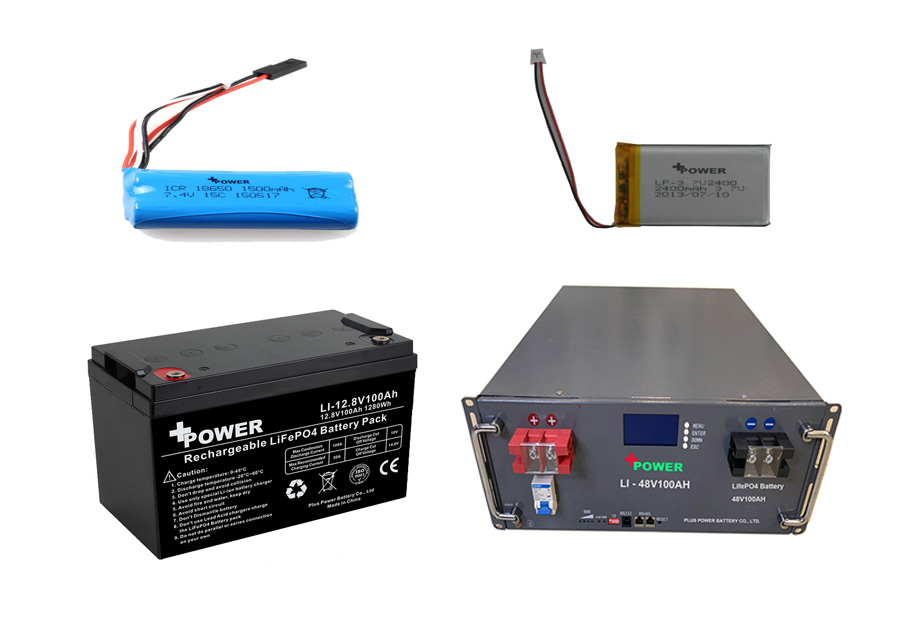
Advantages:
High Energy Density: Lithium batteries offer a high energy density, providing more energy storage in a smaller and lighter package.
Long Cycle Life: Lithium batteries have a significantly longer cycle life, enduring many more charge-discharge cycles without substantial degradation.
Higher Depth of Discharge: They can be safely discharged to a higher depth (typically 80-90%) without affecting their lifespan significantly.
Lighter and Compact: Lithium batteries are much lighter and more compact, making them suitable for applications where weight and size matter.
Efficiency: Lithium batteries are more energy-efficient, with higher charge and discharge efficiency, resulting in better energy utilization.
Versatility: Lithium batteries are adaptable to a wide range of applications, including portable electronics, electric vehicles, and renewable energy systems.
Disadvantages:
Higher Initial Cost: Lithium batteries tend to be more expensive upfront compared to VRLA batteries.
Complex Charging: They require more complex charging systems and management to prevent overcharging or over-discharging.
Safety Concerns: Some types of lithium batteries can be more prone to safety risks such as thermal runaway if not handled properly.
The choice between VRLA and lithium batteries depends on your specific needs, budget, and the intended application. In general, lithium batteries are favored for their high energy density, long cycle life, and efficiency, while VRLA batteries may be more suitable for budget-conscious or less demanding applications.